Identity with Grayson Maas Transformative Principal 299
Download MP3Dr. Grayson Maas is the Director of Communications for the Art of Problem Solving, a unique solution to teaching math anytime, anywhere. Talking about dissertation - how we create scientific knowledge as a society - who can become a scientist and who cannot. Scientific knowledge and how it gets created. It’s no secret that there’s underrepresentation in science. What is funneling certain groups towards science and what is not? Science for all Tests measure what we value. Tests can be an unreliable indicator. It’s a common experience that the scores you got on classes and tests to tell you if you’re smart. All those tests are telling you, “are you good at that instrument on that day?” Extremely difficult to identify high-ability kids from disadvantaged backgrounds. Ability grouping is not a bad thing for the kids in the high group. Kids know who is in different groups. We need to reconfigure the labels we use. For us to lose sight of kids that don’t get extra opportunities is not working for those kids. It’s incumbent on us as a society to meet these kids where they’re at. Providing the “right” amount of challenge. We’re going to set the bar right above where you grasp it and help them reach the next level. You deserve to be challenged and we’re going to make sure you get that. Learning about the water cycle. Their version of learning about the water cycle was a youtube water cycle rap song. The kids in the low group developed low self-perception. Constantly reinforce these students and tell them they are capable and can accomplish the work before them.
Dr. Grayson Maas is the Director of Communications for the Art of Problem Solving, a unique solution to teaching math anytime, anywhere.
- Talking about dissertation - how we create scientific knowledge as a society - who can become a scientist and who cannot.
- Scientific knowledge and how it gets created.
- It’s no secret that there’s underrepresentation in science.
- What is funneling certain groups towards science and what is not?
- Science for all
- Tests measure what we value.
- Tests can be an unreliable indicator.
- It’s a common experience that the scores you got on classes and tests to tell you if you’re smart.
- All those tests are telling you, “are you good at that instrument on that day?”
- Extremely difficult to identify high-ability kids from disadvantaged backgrounds.
- Ability grouping is not a bad thing for the kids in the high group.
- Kids know who is in different groups.
- We need to reconfigure the labels we use.
- For us to lose sight of kids that don’t get extra opportunities is not working for those kids.
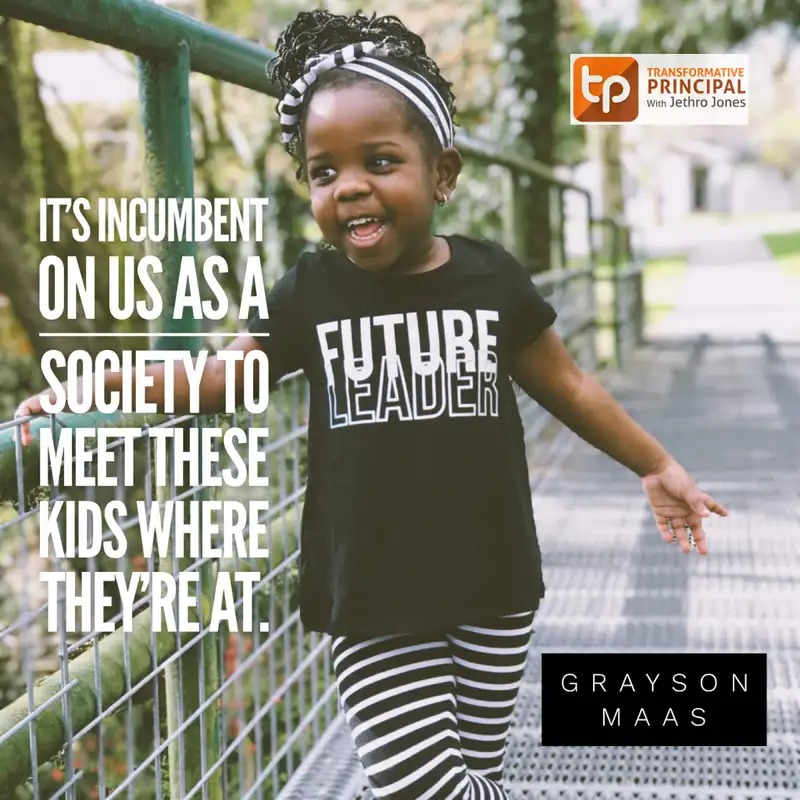
- It’s incumbent on us as a society to meet these kids where they’re at.
- Providing the “right” amount of challenge.
- We’re going to set the bar right above where you grasp it and help them reach the next level.
- You deserve to be challenged and we’re going to make sure you get that.
- Learning about the water cycle.
- Their version of learning about the water cycle was a youtube water cycle rap song.
- The kids in the low group developed low self-perception.
- Constantly reinforce these students and tell them they are capable and can accomplish the work before them.
Learn more about today's sponsors, Playworks, IXL, and Renaissance Learning:
As a global leader in education technology operating in more than 110 countries, Renaissance is committed to providing educators with insights and resources to accelerate growth and help all students build a strong foundation for success. We believe that technology can unlock a more effective learning experience, ensure that students get the personalized teaching they need to thrive, and help educators and administrators to truly, fully, See Every Student. Learn more at renaissance.com.
We’re proud to be sponsored by Playworks, a 501(c)3 nonprofit organization with evidence-based practices that help schools improve the health and well-being of children by increasing opportunities for physical activity and safe, meaningful play.
As a global leader in education technology operating in more than 110 countries, Renaissance is committed to providing educators with insights and resources to accelerate growth and help all students build a strong foundation for success. We believe that technology can unlock a more effective learning experience, ensure that students get the personalized teaching they need to thrive, and help educators and administrators to truly, fully, See Every Student. Learn more at renaissance.com.
We’re proud to be sponsored by Playworks, a 501(c)3 nonprofit organization with evidence-based practices that help schools improve the health and well-being of children by increasing opportunities for physical activity and safe, meaningful play.
If you’re a school or district leader struggling with the challenge of chronic absenteeism, as so many are across the U.S., you may not realize that structured recess is a research-backed approach to keep kids in school. In fact, a UC Berkeley study of Title I schools found that those partnering with Playworks had significantly lower chronic absenteeism rates. Further, Mathematica research demonstrated that Playworks schools spent 27% less time transitioning from recess back to learning, saving teachers valuable instructional time.
These results are possible for your students, too. Learn how Playworks can help you improve student-educator relationships, belonging, and attendance by signing up for a quick no-obligation conversation.
We’re also thrilled to be sponsored by IXL.
IXL’s comprehensive teaching and learning platform for math, language arts, science, and social studies is accelerating achievement in 95 of the top 100 U.S. school districts. Loved by teachers and backed by independent research from Johns Hopkins University, IXL can help you do the following and more:
- Simplify and streamline technology
- Save teachers’ time
- Reliably meet Tier 1 standards
- Improve student performance on state assessments
🚀 Ready to see why leading districts trust IXL for their educational needs? Visit IXL.com/BE today to learn more about how IXL can elevate your school or district.
Creators and Guests