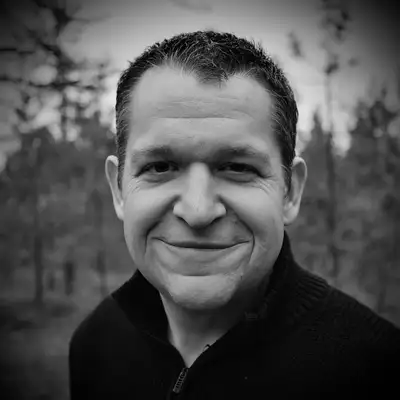
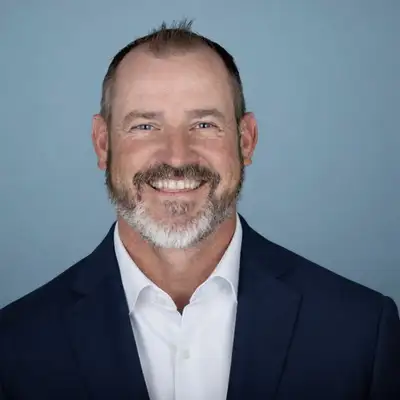
Supporting School Leaders Through the Daily Grind with Marie Bordeleau
Download MP3Mike Caldwell: Hello, and welcome to the Transformative Principal Podcast.
This is Mike Caldwell, today's host, substituting for the legendary Jethro Jones.
Today's guest is Marie Borolo.
Marie, welcome to the show.
Maria Bordeleau: Thank you.
Mike Caldwell: Happy, happy to have you on, on here as one of our first podcast or, or first podcast that I'm hosting in, in Jethro's absence.
And so I'm excited to, to have a conversation with you today.
Marie and I have just recently got to know each other over the last few months.
She's a new mentor on Link Leaders and has.
A wealth of, of experience and background, similar to me in Catholic education, but also in in public education as well.
So let her share a little bit of her background and then we'll dive into questions and we're see where this conversation goes.
So Marie, again, happy to have you as one of my first guests here.
So why don't you start with a little bit of your background and, and then maybe what leads you led you to starting?
Is it called in the arena?
Consultancy or something to that effect.
Is that
Maria Bordeleau: accurate?
It is, it is.
Yeah.
Well, first of all, thank you, Mike for having me.
I'm, I'm absolutely thrilled to be here today and to have this conversation with you.
I think leadership, as we're talking about transformative leadership, it life is kind of like life.
It can lead to a lot of, it's to twist and turns and led me to some twists and turns where I needed to step away from the daily leadership of the school for, to support my, to take care of my family in a different way.
And in doing that though, I started to really think about.
Um, engaging with a, a dream I've had for a long time, which is to, to finish a book.
I've started that was an offshoot of my dissertation at Creighton University.
And then also while, um, my school leadership journey has been in Catholic education.
Um, I've also been in public school education as well at different moments in my career.
And I think a lot of what my experience has been in both spaces is that there is.
For, for educators and, um, educational leaders specifically to really get support in a very different way.
I think that there's a lot of opportunities around, um, instructional leadership and strategic planning, but there's not a lot about the caring, the burden of the daily, the daily grind of school leadership, which is, is something that unless you are.
Are doing it, it's, it's hard to appreciate what that, that, that the weight that you carry every day and the skill sets you need to bring to, to the class, the school every day from.
Instructional leader to, um, CFO, to chief psychologist, to um, you know, everything under the sun.
Um, hr, our expert expertise and, and the like.
And so I think that's where my goal in, in working with, um, school leaders and in the arena is to really provide that, um.
That helping hand to really manage those burdens.
Um, I'm working on publishing a book next month that I'm absolutely thrilled about, um, called The Dust and the Glory because as school leaders we end up kind of in marred in the dust of, of the work, but there's also such glory in what we do every day.
When you have those, those sparkling moments and.
I think about, it's all inspired by, um, Theodore Roosevelt's in the arena, quotation around.
It's, it's really those that are in there fighting every day and, and working with the people that are in those arenas every day, and not necessarily the critics that are outside the arena that we really need to, to be there for.
And that's what, um, I'm hoping to do through my coaching, the book I'm writing and, and other things that I'm doing and, and moments like this.
So I really appreciate you asking me to be here.
I'm absolutely thrilled.
So thank you.
Yeah,
Mike Caldwell: absolutely.
Absolutely.
I think in timely, you know, a recent conversation I was having with a school leader, um, just recently on Friday in a mentorship call, um, she was really struggling with obviously the pressure that you have as a school leader and, um.
And, and also the criticism that, that she was trying to navigate, both from some of her, one of her staff members and also, um, from, you know, from a set of parents from a recent issue.
And, and as we were talking.
You know, I was looking over her shoulder, um, and I said, turn around and read that poster.
And the poster was in the arena, the, the Theater Roosevelt quote, which I think every school leader should have on their wall as a reminder and a daily, daily read.
Like this is, it's so true as, as a school leader that, um, it's you that are, that's.
In the arena doing, you know, the hard work, blood, sweat, and tears.
And I, I oftentimes read that and, you know, or read that as a school leader, as a reminder, like that criticism I'm getting are those people mm-hmm.
That are in the grandstands watching.
They don't understand.
All that it takes to be here in the daily battle.
And so you have to kind of take some of that criticism from with a, with a grain of salt.
So I love the title of your, of your, um, of your, uh, consultancy in the arena.
I think it's, um, very applicable to the, to the work of, of the school leader.
Let's talk about your book.
Tell me a little bit more about like, so you've been in the process of writing that.
Where is it?
And, and Yeah.
What, when you're, when are you releasing it?
Maria Bordeleau: Yeah.
Um, thank you.
So, um, the process, so I've been writing it for a couple years and then, um, I had time, um, this fall and so I just sat down and, and did the work to finish it.
'cause I had, I had a lot to say, um, because the school leadership is hard and, um, it is ex I'm gonna do, I don't mean to, I think it was, I don't, I got so many times that people would say.
How do you do this job?
It's, it's terrible.
Why would you wanna do it?
And I, I loved it.
I did love the work, but it was hard work.
And that's part of the reason I liked it though, was the challenge that it presented every day.
Um, but I do think as you're talking about that, those, when you have the teacher that's upset with you because of something that, and then the parent that was criticizing you because of a discipline issue and everything else, it gets to be a lot to carry.
And then.
When you're just trying to, and I think people often forget that we're human.
The school leaders are human beings that have a lot to carry and the job is incredibly complicated.
Um.
And I think that's where my book is about how to manage that and really come out the other side and, and, and, um, and really lean into mentorship and accompaniment, um, with others because I think that's the only way you can do it.
It's, it's so easy to sit in your office or walking the hallways of your school and feel even with all that around in you.
It's, it can feel very isolating because everybody has an opinion.
Everybody thinks they understand your job and that they can, and they can somehow do it better.
If they were principal, this is what I would do if I was, you know, and you're like, okay, sure.
And they have zero idea that you have government mandates.
Um, the bosses from above, the parents, the teachers.
You know, all of it.
And you have to somehow navigate all of those different shareholders.
The board, let's not forget the, the lovely board, you know, they're all very important, but it's complicated.
And so that's what I was trying to do is really, um, talk about that and look at that and how to maybe.
Speak to the reality of the job, because when I was, um, at my last school site, there were so many times I'd be looking for a book and none of them were really speaking to me.
Um, and I'll speak just specifically as a Catholic school leader too.
So many of the books were, were, um, really about being a, a spiritual leader or.
Academic instructional leader, or there was, they're very specific and I was just looking for something to say, talk to me about what my re, my daily reality is.
Let me, and I just couldn't find it and so I decided to write it, um, because I'm just that crazy.
Um, and really wanting to have.
The voice of the principal will say, I, I feel heard.
I feel seen.
Because I think it gets really hard from, um, all of the different shareholders.
You have to manage it.
You often feel unseen because everyone's just pushing on you to do something.
And so that's, that's my hope there because it is a very joyful job.
Or it can be, um, but you do have to go into it very carefully or it becomes.
Not joyful if you
Mike Caldwell: Yeah, yeah.
Absolutely.
Um, well, I'm gonna ask you to maybe pull out maybe one or two kind of key nuggets from your book that are, that are really like, oh my gosh.
I was just, and I'm gonna share one first just to take the heat off of you.
Um, okay.
To give you some time to think, but
Maria Bordeleau: if
Mike Caldwell: you think about like, the school leader that's listening to this and maybe, you know, they're listening mm-hmm.
To, with, with the hopeful you.
Uh, goal of pulling something out of this conversation that we're having that can actually help them today, help them tomorrow.
Mm-hmm.
Help them this week, not just theory.
Um, think about like what are some of those nuggets that you learned in your 25 plus years as a school leader that, um mm-hmm.
Made the work for you more sustainable and also more joyful, um, in the work?
Yep.
And I'll share one as you're thinking.
Like what I was, I, I'll go back to that school leader I was just talking to and she was really stressed over some upcoming parent meetings and an upcoming teacher.
Like some of those that we're sharing, you know, that had.
Ax to grind or someone that was, you know, challenging a decision or, or whatever the case may be.
And one of the things that helped me over time as a school leader is taking the pressure off of myself saying, it's not my job to get consensus on my decisions or to make you feel happy with my decisions.
Um, because I'm making decisions off of things that you don't.
Completely understand.
And I also, somebody, somebody has to make the hard decision even, and they're not all gonna be perfect and not all gonna be agreed upon.
What I feel like more is my job is to make sure that you feel heard when you have a disagreement or a question or, or want to discuss something, I can make you feel good, feel, feel heard, um, mm-hmm.
And take what you're telling me.
Um, and if it's something that's.
I can walk away with a new learning or a new perspective and apply it to future decisions, great.
But my job isn't to.
Make everyone happy and to make everybody agree on particular decisions.
'cause that's just, once you kind of take that away, like that's just not gonna happen.
You're not gonna make everybody happy.
Um, but you can still kind of listen with an open ear and with empathy and to.
Try to understand different perspectives, but know that at the end of the day, you're the one in the arena that have to make difficult cha choices.
And, um, it's okay that not everybody agrees with certain decisions that you make.
So, mm-hmm.
That's one that helped me get to a point where I didn't feel this like pressure to appease.
All the different people or entity, you know, stakeholders that might have disagreement with me, so.
Maria Bordeleau: Mm-hmm.
Mike Caldwell: So I've taken the pressure off of you.
What would you pull out from your book as maybe some of those key nuggets that somebody could take away?
Yep.
From this conversation,
Maria Bordeleau: uh.
Yeah, I think I'm gonna take two steps back from where you started with yours because I think you do have to get comfortable with people disagreeing
with you, and you do have to get comfortable with knowing that you're talked about at the cocktail parties, you're talked about at this coffee shops and.
Positively and negatively and just gotta go.
Okay.
And get that, develop that, those calluses.
But I think when you're in those moments of having to make those decisions that not everyone's gonna agree with, or people are gonna see differently or not fully understand the scope, you do have to come at it from a, a place.
I'm, I'm a huge fan of Simon Sinek and, and knowing your why.
And really having a strong sense of leaning into your why.
And whatever your school's mission statement is, religious based or not, or whatever your, the purpose or the vision everybody has, or the strategic plan you have for this school.
You have to make sure you're leaning back into that and you can say, look, this is how we're, um, this is the decision because it leans into our.
Our mission and our, our vision and our purpose, and this is the why of our school.
And if, and, and so that, and say, if you disagree with that, I am sorry.
But that's, at the end of the day, that's the deal.
Um, I think that's, that's, that's the first part.
And then be okay with people just maybe seeing it differently and being okay with that, knowing that you do have to, um.
Um, hold a lot more information than people fully realize.
Um, I still remember the person that someone was really upset because they felt very a teacher.
We felt very attacked by teachers.
Uh, pa some parents, excuse me.
And she looks at me and she says, do you know what it's like to have people talking behind your back every day?
And I was just like, uh, no.
I have no idea.
None.
None.
I can't, I can't even begin.
Um, I just, um, I had to stop myself from like.
Doing exactly what you do.
We just, just laugh because it's, it is hard and it does take, um, some time.
But I think the other part too, that I did not do, this is where I can say part of what I included in my book that, um, we're learning lessons.
'cause I was, uh.
I was a young 28-year-old principal, um, for the, my first year and my, the average age of my staff at the time was 54, and so there was a little bit of a generational piece there, and I was full of the hubris of a 28-year-old that was given.
Um, the keys to the school and
Mike Caldwell: yeah,
Maria Bordeleau: I was very excited.
I was full of purpose, full of vision.
Um, but I think that's the other part though, is when you're going through those things as a visionary leadership, uh, leader, um, an instructional leader.
All of those things.
Um, I think the tortoise and the hare becomes a big part of it.
And you've gotta be, be okay with the tortoise.
Small, steady progress is gonna win that race 'cause, and I think I learned that early on, and I learned it some in the hard way when I was trying to do too much.
And I was overwhelming my, my, my team, um, because, and, and doing things in the way that, um, didn't honor the history.
Um, and I think that's a big part of it.
Um, and I think the other part too is leaning into, um.
You know, you gotta let people do what they're gonna do.
You can't control it all.
Um, I know I'm stealing Mel Robbins lines and so thank you to Mel Robbins.
I'll give her full credit and you have to go do what you have to do.
And it's, it's super important to always remember that, um, because that's part of being in the arena, is letting them do what they're gonna do.
And then you just have to be ready to do what you have to do and do the things you can control and keep.
Steady steadily moving on.
Um, but I think, um, those are some of the nuggets I think I would take away from somebody as you were talking about.
Um, but
Mike Caldwell: yeah, the tor
Maria Bordeleau: it is, you do have to, oh, go ahead.
Mike Caldwell: Say the tortoise in the hare resonates with me.
Um, you know, one of my mentors, um.
You know, when I, especially as an early, early years principle, I was same thing.
Just like go, go, go.
You know, just kind of pushing faster than people were ready to be pushed.
And so for me it was walk before you or crawl before you walk, walk before you run and go slow to go fast.
Mm-hmm.
Were the two kind of
Maria Bordeleau: Yep.
Mike Caldwell: Similar sentiments that resonated with me, that I had to learn the hard way because you might have all these great, what you think are great ideas, but great ideas are, are.
Nothing without the people coming along.
So you gotta make sure that one, are they really a great idea?
And how can you make 'em better?
And how do you get people, um, to buy in and come along with you, um, if it truly is a great idea.
I wanna shift gears a little bit.
You've led through, um, 9 11, 0 8 recession, COVID, um, and you're here today.
Um
Maria Bordeleau: mm-hmm.
Mike Caldwell: As you, as you look back and, and right now, I mean.
You know, there's crisis of other sorts that, that school leaders are, are dealing with.
I mean, it's just a really mm-hmm.
Difficult time right now in education.
So as you look back as a school leader, what did those, um, crises teach you and what really holds what you really believe holds a school together when everything feels fragile?
I think that's what, where a lot of people feel right now.
Maria Bordeleau: Um, I think there's, there's two things.
Um, and I'm gonna be repeating myself the first one, which is E during each of those, those crises, um, and, uh, other ones smaller throughout
the time, um, it really is about mission and just holding onto what your purpose is and not getting caught up in the, in the bigger picture of it.
Um, and I think that was.
Um, so I was leading a Catholic school, tuition based school and during the recession, and our mission is to provide a Catholic education, one for example.
And so if I'm holding onto that, then really working with families and not just making it, if you can't pay goodbye, if you can pay, say hello, and it's a black and white.
There was a finesse and a need to, to work with families to honor our mission and who we wanted to be and protect people and their dignity during a very difficult time.
For example, um.
But I think the other part too, though, um, is calm and steady.
Um, because you can't, you have to, everyone's gonna come at you in, in panic.
And if you think about the tornado, what is the calmest part, part of, uh, hurricane, excuse me, the hurricane.
And that's the center of the hurricane.
It's, it's totally common inside that center.
And that's where you have to, to be because everyone else is in the hurricane panic stricken.
And they need you to stay, lead with a space of, let's hold on.
It's gonna be okay.
Let's take, you know, and, and, and walk them through how we're gonna manage this and give them the, and give them confidence to, to breathe again.
And I think that can be really hard.
But, um.
It, it you.
That's, that's the job.
That's the role.
And, um, I think that's though, when I think about what I'm trying to do in my coaching or through my book, um, with that idea of a company,
it becomes super important because you have to be that person in the middle, just like a parent of a teenager or just a parent in general.
You have to be the calm for them.
You have to be the calm for those every, all of your shareholders.
And, um.
When you're doing that though, you need to make sure you have someone that's gonna help keep your calm there too.
So, and having that person, um, is gonna be super important.
But I think that's where, through all of those different moments, um, and others that are to come, you do have to, um, to do that.
But I think the other part too though, is during those spaces of calm.
Um, I want to encourage every 'cause it can be really hard and scary to lead during big, big moments or, or complicated moments like today, which no matter what decision you're gonna make,
someone's gonna think that you're woke or you're, uh, whatever, whatever political orientation they're gonna kind of pull or whatever it's gonna be, they'll pull something out at you.
Um, and I think that's where, um.
You need to really make sure that, that the why is always there at the heart and the center of it.
And I think you need to also make sure you're showing some courageous leadership and thinking creatively.
Um, and, um, with ingenuity, self-reflection.
Um.
And this is gonna sound like a weird one, but indifference like, and I think about indifference as where it's not indifference about like LEY.
Zel would've explained it in his talking of the Holocaust, which is like the opposite of hate, but indifference to how we get to an end point and being comfortable with lots of different ways to get to where we need to go.
And not be so tied to a point.
Um, and but being heroic enough and humble enough to allow all of the different solutions to emerge and not fight so hard for whatever you've decided a solution could be.
So, but it, it's, it's hard.
And I do think though, you do need to make sure that there's mentors, that you have partners, um, colleagues, whatever name you wanna call 'em, um, to really be there with you because, um, I
think if as leaders and if you, especially, you know, transformational leaders, you do need people that are gonna be there with by your side because it does take a lot of courage and a lot of.
Fortitude to, um, to show up and say, and to be that, that change agent, it's, it's not, um, an easy thing.
Mike Caldwell: Yeah.
Without a doubt.
I, I remember reading somewhere where you talked about, um, I think you said something like burnout isn't a personal failure, but a systems problem.
Um
Maria Bordeleau: mm-hmm.
Mike Caldwell: If I recall.
Um,
Maria Bordeleau: mm-hmm.
Mike Caldwell: What, what systems or expecta expectations do you think most often push school leaders towards burnout?
And what do you think needs to change if we want leaders to stay for the long haul?
Maria Bordeleau: Yeah.
Um, I think the, and I think it's them as, sometimes it's the same things as, um, teachers that just too much is asked of them.
Um, I don't think when the, um.
Uh, so often the, the, those that are above you, whether it be at the di um, a diocese or a a county office district or a district's office, um, it's, it becomes very transactional and a top down.
There's not a, a give and take, and there's not, and the only time you often hear from them is if something is wrong or they expect you to implement something.
And I think that's where the systems break down is there are so many models out there for how to make sure that, that the principles are taken care of and the leaders are taken care of.
Because like, so when I was, um.
So the job, I think the job of principal is to make sure that the adult, other adults in the building are taken care of so they can take care of the kids.
And I think the job above us would be to make sure the principals are taken care of so they have what it takes to take care of the people in the classrooms.
And that's the part that gets broke.
The bridge there is broken.
And in my handbook, a servant
Mike Caldwell: leadership right.
Maria Bordeleau: Yes.
Thank you.
Um, you, you beat me to the punchline.
Um, absolutely.
And that's where I think that gets forgotten.
It's more, um, and I, 'cause I don't remember the last time I ever went to a principal meeting and it felt like there was true support, accompaniment and, um, being heard.
Um, and I, and I, I wish I could be more positive on that one, but that it's one I actually feel very strongly about in that.
Um, I think there's so much asked of that, uh, of principals and school leaders and.
What, and even the parents, they, they, um, I'll, I'm gonna, I'll lean in hard in on the parents too, on this one.
I think that there's such, um, taken for granted notion and I think that's where the system could do a little bit better job of setting them up for success.
'cause um, if you think about the number of hats the school leader has to wear, as I was, I started naming a few, but there was more, um.
It's a lot and half the time, um, I don't think the training we're supposed to get, um, working on, um, through the education at the university level actually fully prepare anybody for what's comes ahead.
Um, I would also technically say that about some of the teacher programs though.
'cause I think there's only so much you can be trained on until you actually live it.
But, um, I do think that's where, um.
Really looking at creating systems that are create sustainability, um, is, is big because it's right now, um, I don't think if you just look at the number of educators that are leaving
the profession, um, and then school leaders and are even worse, um, it's not good and it's not gonna make for academic excellence in our schools that we need so desperately, um, in 2025.
Absolutely.
And beyond.
Mike Caldwell: I wanna jump to something.
You, you, and this is getting more to the, maybe the Catholic leader side, but I think it's, there's some Okay.
Definitely some application here.
Um, regardless of kind of what model and kinda school you're, you're in.
Um, but you talked to, you know, I think you'd say Ignatian spirituality plays a big role in your coaching work.
Um mm-hmm.
And a lot of listeners might not know what I'm talking about there, so, um, but when you talk about things like discernment and reflection and the examine
Maria Bordeleau: mm-hmm.
Mike Caldwell: And how they shape the way you approach leadership and, and coaching principles, um.
Can you talk a little bit about what, what all of that means?
What, what are you talking about when you say discernment?
Reflection and the examine and,
Maria Bordeleau: yeah.
Mike Caldwell: How could that apply, you know, more broadly outside of the, um, Catholic education space?
Maria Bordeleau: Yeah, I think regardless of where you're, you're, you're what's, whatever type of school you're leading at, um, discern and self-reflection needs to be part of your normal practice.
Um, you have to remember to step away and take a few minutes, either that's, you know, whether that's be at a Catholic school and you go into the chapel and just have a few minutes a piece.
If it's at five o'clock after dinner and you're walking the dogs, whatever it might be, um, you need to find space to just be quiet.
Um, and I say that place of, again, I learned more from my mistakes and my successes, fortunately or unfortunately, no, we all, yeah.
Um, thank you for validating that.
Um, but I do think though that it's so easy to rush through because you're like, I have the answer.
I've lots to do.
Let's go, let's go, let's go.
And I think it's important to slow down.
'cause when I, I do do that, that, um.
Inevitably, a effective solution will emerge than the one I'd originally wanted to just zip line on, zip line to really quickly.
And, um, and, and I think that's where, um, and also in doing, like when you talk about that exam too, that can be part of that discernment and that slowing down and it, you take in that it asks you to like, look at what I did well.
What I did, didn't do well, and I could do better, but also what to be grateful for.
And I think it's really important because it's our, the job of a school leader is to be, is continue, be summed up in one line, be the problem solver, and that makes it so all the.
Hard stuff gets thrown at you and you don't get the moments of, of, of joy or success or the wins that happen in your school because you're busy in
your office dealing with the student that, um, said like, was bullying another student while everyone else was down at the rally celebrating the school.
And that was like, may I missed it, I missed the good stuff.
And that's where, um.
You do have to take a moment and like, register the gratitude, register the wins, and also, and do the same thing for your, your, your team.
Because I think it's easy to go into what do I have to fix as well?
And that's all part of the exam and the self-reflection and the discernment around what's really happening.
And so that you get the full picture and not just the emotional moments that that happens.
Um, at, at what, at some point during your day.
Mike Caldwell: Yeah, absolutely.
You know, I was just at a, um, two day kind of workshop in this program that I just, um, started or just, uh, was accepted and, and it's a whole year long program.
And, and, uh, one of the things that I took away from that was this concept or idea.
I don't think it's novel, but it was, it was kind of a. Aha for me.
But the idea beha between, um, a bat being, you know, having a battery versus a, um, power plant.
And, and when I, I so often, you know, really felt, it was more the, for me it was the battery.
You, you grind work all day, you get home.
Hopefully catch your breath, sleep for as many hours as you can, sleep with the, you know, depending things that keep you up at night and stuff like that.
And then you wake up the next morning and you do it all over again, and each day you're not really replenishing that battery if you're just kind of relying on the day to day.
And then you, and sleep is kind of your main replenishment, if you will, right.
You start a hundred percent, maybe at the beginning of the week, maybe, um, by Tuesday you're starting Tuesday at maybe 80% and then so on and so forth.
And then the, you know, the week you're just draining your battery versus kind of this power plant mentality.
Um, and it gets to a little bit of what you're saying is thinking about kind of the four.
Pieces that really boost your battery or boost your power.
One being sleep and how important sleep is, um, for, for you and, and like what do you, what are you doing to maximize your sleep before you go to sleep?
And, you know, setting yourself up for the maximum sleep.
So you're getting, you know, hopefully seven to plus hours of sleep, right?
Your nutrition, you know, for me, like water intake and eating, eating right, like it's a big part of your, your power plant movement.
What you're doing for exercise, to take care of yourself, to really boost.
I know for me, like when I go get on a bike for 30 minutes or whatever, like the way I feel after that is just incredible.
Um, but then also, you know, whether you call it meditation or reflection or you know.
Whatever, but like taking the time for just allowing your mind to rest and to pause, um, whether that's a guided meditation or just like go outside and soak up the
sun for five minutes and just be at present, but all four of those things really being part of your power plant and like what are you doing to kinda rejuvenate.
Your, your battery, so to speak, as opposed to just kind of grinding, grinding it down day in, day out.
So that's what kind of resonates when you're talking a little bit about the reflection, discernment, and examine.
Maria Bordeleau: Mm-hmm.
Yeah.
I also think, um, the word that kept coming to mind as you were talking were boundaries and it really becomes important to set some boundaries
around and be an intention, uh, and a sense of intentionality around how things are done, because it's really easy to get pulled into.
The crisis that someone throws at you that doesn't necessarily have to be a crisis.
And you, and you can say that can wait till Monday and it's okay.
And put it down.
Um, if it's like, if it's three 30 on a Friday afternoon, um, and making sure you balance those out.
'cause it, it is.
So, and I, I say this because I wanna say to all the listeners that, um, I think sometimes you hear all these things, you wanna roll your eyes and say, do you know what's on my to-do list?
Do you know what my family's expecting me?
Do you know what the kids are expecting?
You know, all those things.
And I, I think it's, it's fair to that because it is really hard and it can be overwhelming when everything is getting thrown at you.
But I do think that's where, what, being intentional and creating systems for yourself, um, and setting boundaries for yourself are super important and it can be as easy.
And the other part too that I think is, um, helpful in this too is, um, and I heard that this is what like Warren Buffet did and you know, who doesn't wanna be Warren Buffet, um, in some form or fashion.
Um, is he doesn't have a to-do list.
He has a calendar, and so he puts everything.
He schedules time for everything, and he, and then there's a differentiation between the seeds and the weeds and making sure that more time is put into seeds, which are growth oriented activities rather than weeds that are.
Things gotta get done, but they don't support growth of, of the school.
And I think that goes back to that whole idea of intentionality, whatever that looked like to you.
Um, and setting those boundaries too though with people.
Um.
I think, um, it can be very meaningful when you're trying to be, manage that power plant that you talk about, which I think is a great way to put that.
I might steal that sometime, if you don't mind.
Mike Caldwell: Yeah.
I'm gonna steal the seeds and weeds.
I haven't heard that one from, uh, on buffet, so that's, that's good stuff.
Well, as we, we round up maybe last question as you look back Yeah.
Now with your 25 plus years experience, a book in them making or almost finished your coaching business.
Yeah.
Um.
What do you wish someone had told you before you became a principal?
Maria Bordeleau: Um, I think, um,
not to, um.
To those boundaries.
I didn't set the good boundaries early on in terms of allowing, trying to be that per like that something to everybody and feeling like if I
wasn't available or trying to fix the problem or wa wasn't, you know, somehow that was what was important and realizing that that need, I didn't.
Embrace the need for rest and, um, rejuvenation and setting of those limitations early on.
Um, and I think I would've been much more successful, much sooner, um, if I had done that because, um, I had to learn not to let everyone else's stuff become my stuff.
And, um.
And just a a and stay the course, um, and be that slow and steady person and be comfortable with that and know that, that I was on mission.
Mike Caldwell: Yeah,
Maria Bordeleau: because it can be really hard 'cause people like to get you throw those shiny gold balls at you and get, distract you.
And it's, that's, those are powerful magnets.
Or they can be, if you're not careful.
Mike Caldwell: Yeah, absolutely.
Well, the last, last question I think, I hope to paraphrase, uh, the Jethro closing question is, uh, for you Marie, what does it mean mm-hmm.
To be a Transformative Principal?
Maria Bordeleau: Oh my gosh.
What does it mean?
Um,
Mike Caldwell: what does it mean for you?
Maria Bordeleau: I think, yeah.
Um, I think for me it means being someone that transforms an individual life.
Um, I think about the individual, um, kiddo who looks back and said, I, Dr. Borolo made, um, a transport, had a transformational moment for me, a teacher who I can say, um, I transformed something for them.
Um.
I think those are the moments that really resonate with me and make it so like that arena is so joy filled.
Um, and I think when you're looking at that from the individual transformation, that trans, that becomes the transformation within this in the school building.
Um, 'cause I, I think to a certain extent, uh, it's not that it's easy, but it's, um.
It's easy to look beyond the individuals and, um, look at the big transformational, get the new program, get the new building and all of this, and transform it.
Um, I think that can be.
Those can be very rewarding.
But when you really look at why we get into this work, it's the individual that, that, um, the family that needed help because their, their 2-year-old was suffering with leukemia.
Um, the family that didn't know how they were gonna support their student that just got diagnosed with autism.
The teacher that was struggling because their husband was sick at home and they needed to work, they were struggling.
All those things that you bring them into those moments of help and support and accompaniment are the ones that I think really make it so when you look back, you can say I was transformative as a leader in those, in those that those those schools.
And that's, um, what.
Like warm, I guess it warms my heart or brings a big smile to my face or, or that sense of joy is to think about those individuals, um, as a, as a rule of them.
Mike Caldwell: Yeah.
Awesome.
Absolutely.
Well, Marie, thank you for your time today.
One last plug and I'll put it in the show notes, um, for your upcoming book that's gonna be released sometime, maybe March in the next month or
Maria Bordeleau: so.
Uh, March 20, March 26th is the date.
Um, yeah, I just, um, I'm waiting.
I get the cover in the next few days and, um, I'm very excited.
Awesome.
It's, it's kind of becoming very real.
So yeah.
Thank you for having me on today.
This was a lot of fun.
Yeah, I
Mike Caldwell: appreciate it.
The dust and the glory.
Finding God in the chaos of Catholic school leadership is the title of the book.
And again, we'll,
Maria Bordeleau: yeah,
Mike Caldwell: put uh, your website and your contact information in the show notes so that when uh, people wanna reach out to you directly.
Great.
And you can also find Marie on link leaders.com as one of our mentors.
So a lot of ways to contact her.
Marie, thanks again.
Appreciate you.
Thank, and, uh, alright, and everybody else, we'll see you at the next show.
Thanks for joining us.
Creators and Guests