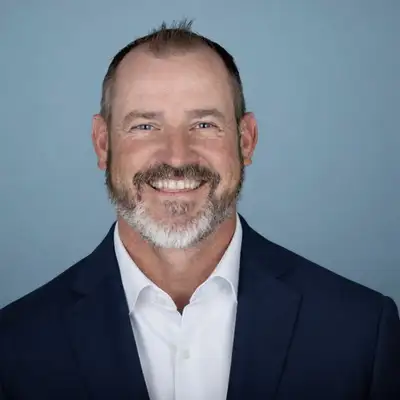
Better Together with Derek Cantrell
Download MP3Mike Caldwell: Hello, and welcome to another episode of Transformative Principal Podcast.
This is Mike Caldwell, your host, and joining me today is Derek Cantrell.
Derek, welcome to the show.
Derek Cantrell: Absolutely.
Thank you for having me on.
It's a pleasure to be on the Transformative Principal.
Mike Caldwell: Yeah.
Well, you have been a Transformative Principal.
You are a Transformative Principal, and I'm excited to jump into your journey and, uh.
And hear about, you know, your transition to working with two different schools and consolidating into one.
That sounds like an unbelievable undertaking and it sounds like, uh, you, you were able to navigate that with success.
Um, so we'll get to that and I love that and, and obviously and get to your book as well and lot, lot for you to share.
Uh, so excited about the conversation.
Derek, tell me a little bit about your background where.
I, I know you're in Virginia.
Gimme a little bit of your, your story.
Derek Cantrell: Uh,
Mike Caldwell: where you coming
Derek Cantrell: from, from, from western.
Part of Virginia.
Grew up in, in this community, actually went to school in the Allegheny County school system, which is the, the county that merged with the city school with the consolidation piece.
So, grew up, um, played baseball, football, and different things and went away.
Graduated from Farham College, but also went and played baseball at Liberty University.
Came outta school, came back and taught in Allegheny County and was a teacher and a coach, and then was the last principal at Covington High School, which was the city school for the final seven years and wrapping up the final.
The third year here at the Consolidated High School, so had a little bit of value from kind of both perspectives.
Covington High School was built in 1939, so a long, rich tradition in history and sports and academics and pride within that community.
And Allegheny High School's been around since 1963, so.
Longstanding school systems and, and definitely deep traditions and pride within each community in that part.
Mike Caldwell: Yeah.
Cool.
Yeah.
What, what did you teach and coach?
Derek Cantrell: I taught started off as an elementary PE teacher.
And a baseball coach and did that for a number of years and then moved up to middle school and then got the opportunity to be a high school principal.
So I went from the bottom up with that part of it, and definitely enjoyed the journey each way.
It was always like, you know, I don't know if middle school's for me like that.
Don't know if high school's for me really and would have a hard time.
I think going backwards as a principal, once you've been in that high school setting with the athletics clubs and activities that happen, it's just really
awesome to see the smiles and the things that kids are involved with and kind of that final product as they go to graduate and where they've come from.
Walking down the hall, you know, one.
Cute story as an PE teacher in elementary school.
I remember kids walking down the hall to lunch and being like, Hey, Jim.
I'm like, why do they keep calling me Jim?
And they're going to Jim later that day.
So I became Jim instead of Mr. Cantrell with that.
So that was, that was cute that you get from that side of it.
But definitely a, a cool journey.
Had the opportunity to work for a variety of principles, which I think really helped grow me from being.
In multiple schools as only elementary folk and then moving to middle school and being at high schools as a coach.
So that definitely was eye-opening and, and definitely helped with MedPar.
Mike Caldwell: Yeah, man.
You gave me PTSD just now thinking about elementary PE I, when I student taught a billion years ago, um.
I was a pe, health math kind of, those were all my credentials.
And I, for my, uh, certification, I had to, to, uh, um, student teach in elementary as well as a secondary, either middle school or high school.
And, uh, did the secondary first and.
I felt really comfortable there, and I think I did six or eight weeks in elementary PE and, uh, I couldn't get outta there fast enough.
And it was, you know, so I was in my twenties before I had my own kids and everything like that, so I didn't understand the little creatures, you know, and, you know, kids peeing their pants and crying and all the kind of stuff.
It's just like, oh, I gotta get back to the high school.
I, I, I can't do this.
Now I think I could, you know, after having, having my own kids and kind of maturing, I like to say I've matured over the years and, and see things differently.
But man, those were, those were tough, tough years for, or tough few weeks for me.
Um, so you've seen all the, all the different levels, not necessarily as an administrator, right?
Right.
Like, yeah.
Um, so that's, that's an interesting perspective to have.
Um, and you've, you've stuck it out kind of the, the majority of your career been in, in the high school.
Yeah.
Derek Cantrell: It's, it's kind of, I think I taught for about 10 years, finishing my 10th year as a high school principal, so a little bit kind of at the halfway point of both of those.
And one, one other cool thing with that elementary, my first substitute job was pre-K coming outta college.
And it was actually for my mother.
It was in a pre-K classroom.
And I feel like if you're, you're gonna make it, if you can make it through a pre-K day.
You're gonna be okay because you give directions and half the kids by the time you make it back to your desk are done and the other half have their hands up.
So you're, you're having to figure it out on the fly at that point for the rest of the
Mike Caldwell: Yeah.
Yeah.
Well, we're gonna get to your story, but I, you know, you mentioned working for a lot of different leaders.
Um, you know, I, I had the pleasure working under several leaders as well.
Um.
What resonates to you as you think about the, the people you had to work with as you were kind of growing into your own, uh, leadership and watching and learning from others?
Like what sticks out to you as something that you, you really, I, I don't know, really inspired you to either be a leader or kind of helped you become the leader you are today?
Derek Cantrell: I think that.
Even before I got into programs and working towards my master's degree and all, there were several that saw potential in me doing this and put me in situations that I probably wouldn't have put myself in.
Like, Hey, you're gonna go help read, be a part of this reading club in second grade and run small group reading stations.
You're gonna be the um, RTI chair person and things.
And I think it really helped.
To get into those different scenarios and grow and have some leadership roles along the way before even becoming, going through your educational program.
And once I got into that, our division did a good job of giving us the opportunity to like sub for principals when they were out.
So sometimes, uh, I would get shot out into different schools for.
A week at a time, at an elementary school, at a middle school filling in as an assistant principal.
And also had the great opportunity one semester to finish out, like the last six weeks in an elementary school to get to do observations and things before I became a, a high school principal with that.
And that really helped get through that end of the year process.
'cause always the, the beginning of the year, end of the year is so fast and furious.
Getting through those really help add to your toolbox and I think make you a better leader.
For sure.
Mike Caldwell: Yeah.
Yeah.
You know, something you said there, you know, it got me thinking.
I, you know, I, I never anticipated or it was not on my, you know, trajectory or goals to, to be a school principal until somebody.
That, you know, with, with my former, you know, first superintendent and my first principal both saw that in me or, or encouraged me to kind of pursue in that direction and also put me in leadership positions.
It makes me curious, like, you know, if, if we could survey all the school leaders across the country, how many of them kind of went into it because that was their plan from right outta college.
That's where, where they wanted to go.
Versus how many of 'em, you know, like you and I, somebody kind of opened that door or kind of created that spark, uh, for good, bad, or ugly.
Um, and, and led us to the dark side, if you will.
Right?
Like, I'm, I'm curious about that, those ratios of how many people I would bet, but the vast majority of people.
Ha have similar experiences where, where somebody kind of lit that fuse and, and nudged nudged them in that direction, wouldn't you say?
Or how do you
Derek Cantrell: see it?
I would, I would, I would highly say that there, somebody saw something in someone.
I mean, I kind of went through the same you got there and it's like, Hey, I'll go through this program and give it a try.
I don't know if I'll ever want to jump into being a principal, but.
As you get a master's degree in our area, it's a $3,000 stipend each year.
So I mean, there is compensation for doing that and filling in and you know that opportunity comes and somebody believes in you.
Knows that you're a fit for that situation.
It definitely makes you think and you jump into it there and you're so glad that you did.
But it definitely takes some people that see the good and the positivity of what you can do and push you along.
And we all need that.
And I think you're right that you would pull people, I bet you'd be 90% or more, somebody pushed them along.
'cause I don't see people that really jump outta college, Hey, I'm gonna be a high school or a principal at something.
'cause it's definitely a, a journey.
Mike Caldwell: Yeah.
Yeah, for sure.
And for those leaders that are listening, we need more great leaders in in education right now.
Um.
And look around.
Look around and find those people that you think are, you know, the, the, the young potential that, that, um, and encourage 'em.
Um, and I know a lot of people do, but sometimes we, it, it, you know, it can be assumed that people, you know, have those ideas made up already.
But it sometimes it takes a little bit of a nudge to get those people going in that direction.
And like you and I, and so for people that are listening.
Uh, we need more leaders in this, in this space, so encourage you to do that.
Well, let's jump into your story.
Okay.
You let something most school leaders will never experience.
You merged two rival high schools into one.
Um, what did the moment feel like walking into day one?
And then we'll backtrack on kind of why you're merging in the first place.
But what did that look, what did that feel like when you, when you, when you arrived first day, bringing these two schools together?
Derek Cantrell: Day one of school, I'll, I'll start there.
So you come back.
It's the first day.
It starts a little bit later because the logistics of getting furniture and items from multiple schools into one building to be ready for the 800 kids instead of 500 that that were here before with bringing those together.
So we started a little bit later and.
This is something that's been talked about in our community for over 40 years.
It would always come up for a vote.
The vote would get denied.
Then it would be another 10 years or so.
The same thing would happen.
So even as a kid growing up, that experience, I lived that as, as we may be merging schools and it always got voted down and I really think that.
Our community, just the pride and the values and the traditions that that fear of loss.
In hearing that.
We are gonna be able to do some things that keep those traditions along so that, that, that helped along the way.
But that first day, just, you know, are the bells gonna ring?
Are people gonna show up?
Are people gonna get to class?
Or are we gonna, you know, work well together and build those relationships and not have, you know, knock down drag out fights to be honest and
Mike Caldwell: Right.
Right.
Yeah.
Derek Cantrell: How, how are we gonna.
Be proactive as a staff and, and be visible.
That was something we talked a lot about and we had staff that, you know, the first year that we had duty in the hall and just being
there to say hi and get to know people and, and little things like that being visible, paid dividends early on, but really just.
Getting there.
Are people gonna show up with the new gear and the new brand in class?
And are we gonna just see the Allegheny red hats with the A's and the, the Covington Cougars and those different things were definitely the question mark in day one.
And, and people showed up.
We had our staff out on the front porch with like a cheer tunnel welcoming all the kids in just to be very hospitable with that part and.
Just, you know, when the bell rang at the end of the day, I remember we sat down in here as a leadership team in this room and it was six 15 and, 'cause it took a little
longer with buses, with all the logistics and things, and actually it was our, some of the activity buses showed up and we thought it was another wave of buses coming.
It was like, oh no, what's happened there?
But.
To sit down and just be like, wow.
We did something that's been 40 to 50 years in the making.
We're through day one.
We got 179 more to go, but hey, it was a positive day.
Smiles on kids' faces.
Our teachers were, were pumped and it, it was, it was really cool to see.
How packed the hallways were, the, the excitement and all the fears that you think going into it kind of evaporate with, with those relationships and the intentionality that we put before we walked into school day one.
Mike Caldwell: Yeah, that's, there's a lot in there.
I mean, when, when I first read the story, you, you know, and learned about this from you, it's, I thought more about the students, but you also are merging.
You know, faculty and staff and, and, um, you know, cultures at different schools and expectations and, um, uh.
Uh, there's a lot that goes in there.
So let's unwrap that a little bit and start from kind of when the decision was made and this was on, was it on your shoulders to kind of navigate this?
Was this because you had two different schools?
How did that, talk us through a little bit of the logistics on what, how this worked, and then we'll get into kind of your strategy on how you, how you made this a positive experience.
Derek Cantrell: So honestly, in the fall coming out of COVID, so I guess it would've been what, 20 fall of 2020.
When we returned to school, it was September, the first day of school, our school board voted to consolidate schools divisions.
So that put a huge weight.
I was
Mike Caldwell: just based on declining enrollment and efficiencies and, and those types of things.
That's what I would assume when you had one school that was in the 1930s, another one in the 1960s, and so you had facility probably advantages of, of consolidating as well.
So I I kind of see that.
Keep going.
Yeah.
Sorry.
Derek Cantrell: So, so yeah, we, we had declining enrollment in both schools and Allegheny years ago as a three, a high school.
It had been, become a two, Covington always had been a smaller.
Single A with eight through 12 is the high school.
So the first day of school that year, our school boards voted to consolidate school.
So you come in, you get through the first day of school, you're excited, and then you have that dropped on you as a school community and it, it takes a while to go through the process of just realizing that.
At some point, Covington High School won't exist.
And And you
Mike Caldwell: were at Allegheny?
Derek Cantrell: I was at Covington at that time.
Mike Caldwell: You were at Covington?
The
Derek Cantrell: smaller school.
I was the final, final principal at Covington in the city.
So you know, you go that first day and then that that goes and you have to kind of.
Go through the process of grieving and how we're gonna make this work and lift your staff up and also continue to service those kids that are gonna be Covington High school graduates.
And it, the process took a little bit of time.
There was one more year after that that we were still separated.
Then the first year the divisions merged.
We kept the high school split.
Then in 23, 24 was the first year of the consolidated Allegheny High School.
That is where like the Covington High School students came to Allegheny in that high school.
The old Covington high school building became the middle school as part of the merger agreement between local governments.
So that was a little bit, we had to figure out how we get furniture from three different buildings into the two.
So that we can have staffing and be ready for that.
You also had staffing pieces that went from looking at what are people's first, second, third choices of where they would want to be.
What does it look like if we give everybody the first?
Do we have too many history teachers?
If we do, then we make that decision on where they go to the middle school or a different building within that part.
So the logistical pieces of staffing.
Furniture, setting up buildings to make sure you have enough space with that, that, that was definitely an initial challenge.
And then I was hired in the fall.
That was
Mike Caldwell: all before chat, GPT.
So you actually had to, had to, had to think about that.
Derek Cantrell: Yeah.
A lot.
A lot of thinking.
You,
Mike Caldwell: you didn't have an Ai AI agent to do it for you.
Derek Cantrell: That's right.
You know, AI is the brainstorm partner.
Now's great.
And so I was hired in October, 2022.
About a little less than a year before we, the high school part.
So then that planning became the high school piece.
So there was a A frame.
From the vote, the, the, the vote in 2020, the divisions consolidated, 22, 23.
So there was a lot of planning on pay scales, how we're gonna merge, pay scales, um, benefits, what buildings, how they're gonna be used, that the division did, but also involved principals at that time, before the high school part.
But a lot, a lot of work in that piece of the logistical part.
Mike Caldwell: Sure.
Yeah.
Yeah, that's sounds like a lot.
So you, you had to help your, your staff move from, you know, this grief kind of experience, um, and maybe even resistance to ownership and pride, right?
So what did, what does that, you know, set aside the, the logistics of all the things you talked about?
Now you get to the human element side of change.
Um, what did that journey actually look like?
Derek Cantrell: It definitely took some time and, and there was, you know, we had almost two years to finish Covington High School for that part.
And, and as we got there and knew this was happening and this was where we're gonna be, just the talk of how can we do this right for kids and, and put our best foot forward and go into this open-minded, we did some division.
Sessions where we got together as secondary folks and just, they called 'em mingle sessions.
We got together just to talk, build relationships, do some activities.
We got, they fed us in a half a day in the afternoon.
Then we had some times as we got closer where we came to Allegheny High School, we went to Covington High School and did scavenger hunts.
And even the simple part of getting a department together and once we knew what room people were gonna be in.
How's this room set up?
Where are the outlets?
How does, how does printing work and questions that teachers are gonna have when they're moving rooms and, and things.
A lot of the work we did is just talking to people, you know, what are you concerned about?
What are you excited about?
I mean, that's super simple, but if we can answer those concerns and, and, and, and highlight more of those things that they're con excited about, good things happen.
And a lot of listening took place to just, it's gonna be okay.
We're gonna make this work.
It's, we're gonna get there.
And really getting the staff at Covington, I think, to, to know that.
We, we gotta do it right for the kids that are graduating as a class of 2022 and, and right.
And also be preparing for the next year and in that, well, I guess 23, class of 23, preparing for that next year, 2324 school year.
As well.
So there's a little bit of both happening, uh, throughout that time, but making sure that we listened, we valued people's input on staffing, room selections, department chairs and all that.
And just super intentional with communication and involving staff so that there was ownership.
Mike Caldwell: when going through this, did you, so you shut down Covington.
Allegheny is the other, the, the other school, did they just move into Allegheny?
You kept all the, the mascot colors of Allegheny, or was this like a blend of something new?
Derek Cantrell: The, it was blended.
It, it was a process.
We, we had a committee that worked on what the logo would be, what the mascot would be, the colors.
We wanted to do something where.
With going to Allegheny, the school was gonna be Allegheny, so the mascot was the same mascot at Covington as the cougar.
So that, that kept a little bit of the tradition of both there with that,
Mike Caldwell: so, so Allegheny.
The name remained, but the mascot from Covington moved over.
Derek Cantrell: Yeah.
Mike Caldwell: Oh,
Derek Cantrell: okay.
It was the Allegheny Mountaineers, the Covington Cougar.
So it became the Allegheny Cougars.
Okay.
And we took some of both school.
What about
Mike Caldwell: the Allegheny Mountain Cougars?
Couldn't you just
Derek Cantrell: Yeah.
Double up on it.
Um, so we went, we changed our colors to Navy and Carolina.
Covington was Navy, Allegheny was red and Carolina blue.
So we merged that together as well.
We did create totally new mascots, which was fun, and came up with a, a cool, a Paul as kind of our main brand.
Something that looked really cool that could be there, and you know, really focused on making sure the lockers were painted, the, the brand was on the school.
When you walked into the school, the hope was feeling that you were coming into.
The Allegheny Cougars, it was a different Allegheny High School because we felt we owed that to everybody to make it fresh and new, even being in an existing building.
And when he came down the, the road, we had signs out flags, logos on the doorway.
Uh, any, anything we could do to put the brand out and make sure that.
You knew where you were coming into and it felt different day one, and we thought that was super important.
Throughout the summer, I remember going to like a car show and different things and giving out the logos to put on cars.
Anytime we could give out a hat or a t-shirt, we did, because that was important to get that brand out.
And then when we went to that first football game, people showed up wearing the colors and the actual first play.
First kickoff, we scored a touchdown on.
You couldn't write any better.
Wow.
And I like to do in the presentation that I do at some of the different things that we've gone and presented at from Why us to We, and that was our we excitement moment that, you know, we had a first football game.
People showed up, they wore the right colors.
We scored on the first play and you get goosebumps still watching that
Mike Caldwell: brings 'em all together right there.
Right.
Derek Cantrell: Pretty well we went nine and one.
As a football team.
So that really helped me.
Mike Caldwell: That helps a ton.
Yeah.
I feel like the school culture also o oftentimes in the fall or maybe more the climate, not the culture, is kind of dictated by how well the football team does sometimes.
Um, so going nine to one in that first year, I'm sure made a, made a big difference.
Good, good stuff.
Um, so in a lot of ways it sounds like it, you know, you're opening a new school, um, with.
With a little bit of baggage kind of brink coming along where you had to recognize and, and, and realize that people were, you know, coming from their existing schools.
But a lot of ways you, you kind of opened a brand new school.
Derek Cantrell: Yeah.
And, and we went, when we did some student advisory things, some things that popped up talking to kids or something you wouldn't
think of, it was like, we really feel that we're going to, we're gonna be a senior and it feels like we're gonna be a freshman again.
So that that was eyeopening and it's like, can we get in the school in the spring before the fall and do some tours and maybe do some shadowing?
So we set up some things based upon talking to kids.
We had a family night.
In the spring, the Covington students could come down with their parents walk the school in the evening.
We had Allegheny leadership students here that walked them around, gave 'em a tour, answered questions, and then we had some of our
leadership students come down and, and shadow for a day and come back, talk to the grade levels, and just open that communication up.
So.
There were several things along talking to kids that they were concerned about, that we tried to answer before we got in here too, and just make it as comfortable as we could and, and really.
Little things like putting our hand prints on the wall that Allegheny did each year was, I mean, those are big things that kids expect to be able to do.
So we had to even bring, blend those traditions together the best that we could.
And you know, what do we want to keep doing?
What new do we want to do and how do we honor the traditions and pride of both buildings and that that was a lot of work into that as well.
Mike Caldwell: Yeah.
Yeah.
Well, sounds like it inspired you to write a book Better Together.
Um, building one school, one culture, one Community from two Rivals.
Um, is this a inspirational book?
Is this a how to book?
A little bit of both.
Is it leadership?
Tell, tell, tell our audience, and I'm curious, like, tell, tell us a little bit about this book.
Derek Cantrell: So, so the hope is kind of a. A little bit of story and a little bit of a leadership playbook, so kind of quickly goes through the process of, of.
What happened to get to the point and how the vote went down, and then the work that we did as a leadership team, pre consolidation, and that goes from just the intentionality of communication,
creating a culture and communication roadmap so that we ensured that we hit the right stakeholders along the way to building that pride and just those daily things that we did before we opened school.
To just build those small wins to create momentum.
And the second part of it is, is kind of some of the systems that we've put in place to recognize, acknowledge and extend the good things that are happening in our school so that we can make that.
Positivity and recognition, something that we're proud of, that we do consistently and just keep uplifting our school community.
So those are things that if, if you read the book or you've came to a presentation or anything that we've done that, that we share, that we want you to have access to, that you can take, tweak and adjust and, and make it your own.
And those go from things from.
Creating a podcast at your school where you talk to kids to a breakfast club of champions that we've put in place to a Cougar Scholars Club, to kind
of just up that recognition of our expectations of graduating and getting your SOLs, your standardized tests done to a lot of different things of.
With culture, with our cougar code of kind of just the all in mentality of show up, be involved, be a part of our community.
So the hope is you could take the story, what we did intentionally with the communication and value in people, then some of the systems and programs we've put in place, and then what we've learned by.
Listening to these types of podcasts, going to conferences and just being out there and being a continual learner, so that, that's kind of the hope in that.
And give people some, some different things that can really help them in their school setting, whether you're consolidating, going through any kind of major change, different things that uplift people and recognize the good things.
Definitely help the bang for your buck within your community.
Mike Caldwell: Yeah.
Yeah.
So it sounds like a real, you know, intentional focus on kind of the intentional things that you did from a culture standpoint to really build, bring people together in, you know, as one community, uh, and build that community.
So if I'm a school leader and maybe struggling in, in that area, or just want, you know, another perspective on how to build a stronger positive culture, um, sounds like this better together book might be a good, uh, resource for them.
Derek Cantrell: And it's definitely it.
It's something that you can read from start to finish.
You can pick up in, in the middle if you're looking for systems and programs that can help you.
It's not a difficult read.
It's not super heavy on the process of consolidation or any of that, but I wanted to paint the story.
Of what it was and what we were going through and how the intentionality of involving people throughout the process pays dividends in, in the end.
And we really focused on putting people first and hope and the good things will come academically and, and all the different avenues from that.
'cause when you get that buy-in and people feel valued and a part of the program and a part of this building.
Good things happen.
They show up to work, they got smiles on their faces.
And I always like to tell a story.
Early on, I was walking down our second floor hallway and noticed that all of our teachers on that second floor were eating lunch together in the same room.
And if you know high school folks, that's not the norm.
They, they're out to their own usually.
And that was math, science, special ed people, they still do it to this day.
They invite us up for certain things.
If somebody's having a birthday, uh, they'll, they'll buy food and have a big cookout or something.
And that wasn't forced, that wasn't intentional.
They, they did that on their own, from people from two different, possibly three different buildings came in and made that happen.
And it's super cool to sit back and see it happening on a daily basis still.
Mike Caldwell: Right.
Yeah.
Well, how much of this, you know, experience, um.
Having gone through it shaped you as a leader.
Um, you know, what are, what, what are some things that as you went into it, you know, that you learned and, and grew as a leader?
Obviously you had to have some, you know, the right mentality and attitude and skillset to even.
Begin this process, but I would imagine through the process, you, you, you were shaped as much as you were shaping, um, the, the culture, right?
So can you talk a little bit about that and kind of how it affected you as a leader?
Derek Cantrell: Yeah.
I think that the first thing that comes to mind with that question is your leadership team and, and valuing those folks and, and really being a team.
And it doesn't matter.
Who's at the table or whose decision it is and and truly respect each other there.
And I have a great group of people.
We all are very focused on the same goals and being people oriented and, and that, and definitely everybody has their role.
And we can come together, we can talk and what decision we make, we walk out and we feel good about and, and still smile and laugh and, and enjoy each other's company with that.
Our goal is to be visible, to be out and be seen, talk to kids, talk to teachers, get into classrooms as much as possible.
But we know how high school is some days that doesn't go the way you want it to be.
And you know, I heard somebody talk, uh, recently about like, legacy and what do you want your legacy to be as a leader?
And I think that when you leave.
Do you have people that have worked with you that want to carry on the same things, systems and and culture that you've created?
And I think we've really, as a school, done a good job of, of building that as a place where people want to be, where it could have easily been a place where people didn't want to come with all the change in that part of it.
And I really appreciate our, our, our leadership team.
And they, they've been here the whole three years.
We did have the.
Unfortunate passing of one of our teammates, um, in February last year, um, hard to hear
Mike Caldwell: that
Derek Cantrell: Timothy Cochran passed away.
Um, and he actually had a unique perspective of he went through a consolidation elsewhere as a principal and, and came from the outside.
He wasn't here.
Um, one of the other aps, charity Hale, was a student in Covington.
Became the ad here before consolidation.
And our athletic director has been in Allegheny County and he had done that and been a principal.
And, um, our other AP had been a principal before as well.
So we had a, we got a really strong team of people and just get together, you know, really well.
We just got back from Orlando.
Three of us went to present at the make, um, innovative School Summit.
So we do those things together as a team.
So it's been a been a lot of fun in that journey and just continuing to, to build.
And we have staff members that come with ideas.
The Breakfast Club I mentioned, we were recognizing kids in a certain way and the teacher was like, Hey, we did something.
Like this at our, at our high school, and it was super impactful and really cool, and just recognizing the great things kids are doing with leadership, character, effort.
And what the teachers do is they nominate a student on a nomination form.
We pick four or five a month, we have a breakfast.
We, we send a letter home.
We call the parent, and you know, this teacher nominated you for this part.
The teacher comes that morning, reads that recognition to the parent and the kid.
They get a certificate and a sticker costs 50 bucks for breakfast.
But.
The smiles on your staff members' face, your students, the parents, and just that interaction throughout that just you leave with a smile on your face and you just uplift your people and it, that's been super fun.
We've done about four this year and this is something we'll continue to do and once we've had those events, you get 15 or 16 more nominations.
So just creating that culture, that, recognizing the good things that people are doing and just making that snowball and it's been a lot of fun.
Mike Caldwell: Hundred percent.
Yeah.
And that was a tradition that came over from Covington,
Derek Cantrell: that that was one that we started, that was new.
Mike Caldwell: Okay.
It's a new one.
Derek Cantrell: Okay.
Just this year actually, just in December.
And we kept hitting snow days, so we kept having to fix days to find it.
So we've done, um, I think three or four of 'em so far.
But that's something we started this year.
Off of something, somebody lived as an experience and tweaked it and adjusted it, and it's been very dynamic to call.
I mean, we've had a kid crying here talking to 'em about their teacher, nominating them, and then calling their parent and having that conversation, Hey, we wanna invite you because X, Y, Z, and I mean, it, it, it's been great.
Mike Caldwell: Yeah.
That means the world to, to parents and obviously to the, to the kids as well.
Well, in the time we have, let's do a little lightning round here.
Okay.
Um, what's one word to describe your leadership style during this consolidation?
Derek Cantrell: People.
Mike Caldwell: Yeah.
I sense that you're very, very
Derek Cantrell: people oriented.
Put people first.
Yeah.
Put people first.
Mike Caldwell: Yeah.
And, uh, I, I imagine that doesn't stop after, after the consolidation.
It seems like that's just in your, uh, leadership, DNA, which I love.
Good stuff.
What was the hardest moment you faced
Derek Cantrell: within this proce, within this, I think that day that that vote came down and just.
How do you as a leader pick something up that you know is gonna end and still make it meaningful for your kids and your staff, but also be able to paint it that we're gonna be okay afterwards and we can still do great things moving forwards and, and
Mike Caldwell: Yeah.
Derek Cantrell: You know, that that took a lot of, you know, it's a gut punch and you have to sit back and think, how can we do this the right way?
And it was definitely.
A unique challenge and, and, and to make it through.
And my daughter was actually at that school at the time.
She was a part of that and wouldn't be a graduate at, at, at the one school.
And, but, you know, it, it went really well and super proud of her.
And she's in college playing softball.
And I got a one year break.
My son's an eighth grader and he'll be here next year.
So I have a good stretch of, let's see, five plus four.
10 years, you got one year off between kids at the high school, so
Mike Caldwell: Yeah, I know that could be tough.
When you're the high school principal of when your kids are in the school, what was the most rewarding moment?
Derek Cantrell: I think getting through year one and getting to that end of the year faculty meeting.
Talking to our staff and being like, guys, we did something that's been talked about for 40 some years.
You know, round of applause because we all in this room did that and we made it work against all naysayers of people that, you know, had always been anti doing something like this.
We didn't listen to the noise with that part of it.
We really.
Came in and, and, and put kids and people first and look at what we did and, and being able to step back at the end and just seeing, you
know, we made it, we were successful, we did well academically and super proud of each and every one of those people that made that happen.
'cause they all contribute.
Mike Caldwell: Yeah, absolutely.
What's a one leadership habit that, uh, you'll never give up something that's just part of you.
Derek Cantrell: I think something that's stuck and, and, and I think you've done it, but it really hit in some of the ways I've heard it said, is just recognize, acknowledge and extend the things that are happening as you go.
When you see something good, celebrate it.
Acknowledge it.
Get it out there and, and as you're walking around, little, little, little things matter.
Talking to people, those interactions that you make on a daily basis that you might not think are important are, and, and even a thumbs up and a smile go a long ways.
Mike Caldwell: Yeah, absolutely.
Yeah.
I used to have, uh.
Two or three times a week.
I just an hour block.
I called the MBWA management by walking around and it was just dedicated time.
I just.
Try to pick out different times of the day where, you know, teachers on prep, pop in, say hello, walk through the halls, whatever.
But yeah, those little micro moments, those micro conversations, you can have meet, you know, add up and, uh, build those relationships.
Um, so good stuff.
So before we close, tell us about your, when, where can people find your book?
Um, is it, is it out now?
Is it, is it, is it published and ready to be?
To be read.
Is it available on audio?
Talk to us about that.
Derek Cantrell: It, it, it's on Amazon.
I actually did the self-publishing route for the first one here, so it's on Amazon.
If you search better together and put my name Derrick Cantrell, it'll, it'll come up.
And I can send you the link too if you wanna put that in, show notes or anything there.
But it's online if you have any.
I also have at the end of the book an access to our.
Presentation slides and our resources.
So all the stuff that's there, you got, you can tweak, you can implement and do.
So anything that we can help from here, it's, it's not a, it's how can we help people and leaders and if you have questions, reach out.
Definitely be supportive of that.
Anybody on our team will, and, um, anything that comes along from those conversations, we're glad to help for sure.
Mike Caldwell: Awesome.
Awesome.
Yeah, I'll definitely put a link in the, in the show notes for the, for your access to your book.
Um, and, uh, yeah, I wouldn't be surprised if a lot of people start reaching out that those that are trying to, maybe going through some, something similar with the con consolidation, uh, they could keep you very busy, so careful what you ask for.
Right.
Yeah.
Well, last question, Derek.
What does it mean to you to be a Transformative Principal?
Derek Cantrell: I think that.
Just being able to do the things that you do on a daily basis and and value your people and put people first, I think can take you a long ways.
And I really believe that that culture piece success comes from that.
So when you can.
Do things with the lens of how does it affect kids, how does it affect our staff?
And get input from those great things are gonna happen and involve people, value people.
Great things will happen in your building.
Uh, I really think that I've heard some.
Data and research that that businesses and schools that, that put people first in relationships first are much more successful.
Those places that don't, might make money for a while, but people are gonna leave and that success is gonna come down.
So, uh, for anybody out there with that part, you know, anything you can think, how do you, how do you value your people?
Mike Caldwell: Without a doubt, Derek, uh, could spend another 45 minutes, hour or more talking to you, but I know you have a softball game to get to and a few hours to drive to get there, if I remember right.
So, uh, Derek, appreciate, um, you being on the show.
Um, thanks for what you do as a, as a school leader, and for those that are listening, uh, look up his book.
Sounds like it's a, it's a winner and, and, uh, I'll check it out myself.
So thanks again, Derek.
Derek Cantrell: Appreciate it.
Creators and Guests