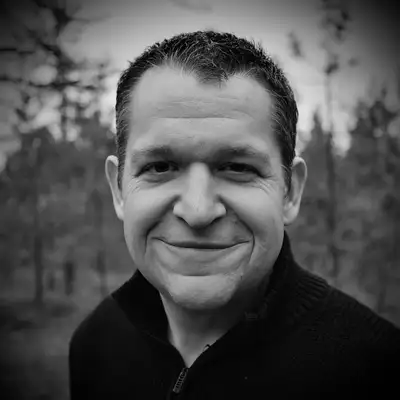
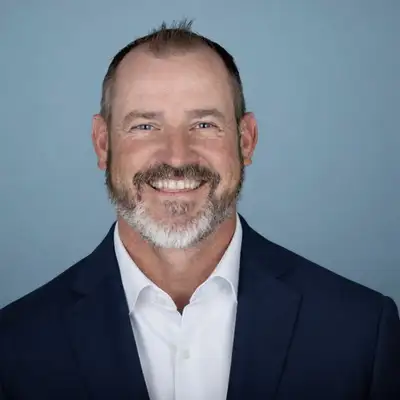
Unleash Aliveness with Alisha De Lorenzo
Download MP3Mike Caldwell: Welcome to another episode of Transformative Principal Podcast.
This is Mike Caldwell, your host, and joining me all the way from New Jersey is my friend Alicia DiLorenzo.
Alicia, welcome.
Alisha De Lorenzo: Hey, Mike.
Thank you so much.
Thanks for the invitation to be here.
It's good to see you.
Mike Caldwell: Alicia and I met just a couple months ago in, in January, and, um, I don't know, it's...
You're one of those people that instantly I'm like, "This is a really cool person that I wanna get to know more." I love your focus on unleash aliveness, and so what does that actually mean?
Can you talk a little bit about what does that mean when you're working school leaders, or leaders in any respect really, is to unleash aliveness?
Alisha De Lorenzo: Yeah.
Well, the work is personal to me.
You know, this idea of aliveness came out of one of the most difficult times in my life, and it was m- the, the confrontation with, with death, um, that actually spurred the urgency for aliveness.
My, my mother was diagnosed with ovarian cancer when I was, um, 19 years old, and she died a few years later.
I was in my first year of teaching.
And that face-to-face contact with mortality at that age and at that time in my development, it, it, it did something that I am grateful for and feel privileged about, that it motivated me to live more fully alive, more fully engaged, more fully present.
Um, and that's the interactions that I bring to e- every person really in my life.
And so when I think about schools, I've been a part of schools where the culture feels like you're in a zombie apocalypse.
And- Uh-huh ... and I think even more so now with all the things that education is dealing with and being faced with.
And, and so what I know for sure is that when people feel like they are significant, when they matter in a system, in a construct, that, um, is what education is, right, in the way that education is structured, they come alive.
And when people come alive in that work, if you've ever been a part of a, a team where you are in it with each other and you are, you know, fully engaged, it doesn't feel like work.
You're in that flow, that zone of genius.
Everyone is using their e- e- you know, unique talents to move the needle.
That is aliveness.
You know?
You're, you're all in it together, and that's in the with box within my, my framework of social significance.
And, um, I think it's what most people, individuals are missing in our lives.
We go through the motions every day, and we rinse and repeat the next day, and, um, are living not, not alive at all.
And I think it is probably at the core of what many people feel and what our systems of education feel like right now, and it doesn't need to be that way.
Mike Caldwell: Yeah, I can relate on both being in an environment where it does feel like the zombie a- apocalypse, and I also can very much relate to being in an environment where, um, you're in that flow state where you can, you know- Mm-hmm
you're just having fun.
Um, but even when challenges come up, you feel like you're, you're surrounded by people you wanna be surrounded with that are kind of people that roll up their sleeves and are ready to kind of problem solve and work and, and figure things out.
I think the challenge for many is, is kind of like how to get out of that, how to change.
What's, what's in your control that you can change and, and disrupt?
You talk about positive disruption, and maybe you can talk a little bit about that, is like, what am, what am I gonna do if I'm in that place?
What can I control and to kind of get out of that zombie apocalypse and get, get to a better state of al- aliveness?
Alisha De Lorenzo: Yeah.
So, m- my work really is at the intersection of that personal agency and collective agency, so personal efficacy and, and, and collective efficacy.
And so I think we all have a responsibility to be responsible for our individual attitudes, behaviors, mindsets, that, that is within our control.
And every single time someone does that in a positive way, there's a ripple effect on the whole system.
So I think we come to the table responsible for ourselves and our individual capacities and our individual efficacy, um, to, to be aware and
make the right next best decision to be a part of a system and move it towards the goodness, right, and, and the, and the, and the positive.
And then I also know that we're working within a system that also is oppressive.
Like, teachers... I, I was just in a school the other day and they were talking about how it's, like, the end of, um, the jean week campaign.
And I'm like, "I just can't believe, like, we're still doing this," like running this play like 1995, where we're charging teachers for comfort as if, you know, the way that we dress has any impact on the impact that we make on students.
Like, f- I, I, that is mind-blowing to me.
I don't think people should come up looking like slobs, but I think that to charge teachers for jeans is- It's so archaic, right?
So, like, it is a pretty oppressive system.
And so positive disruption is really about this belief that when we create community-driven change, when the change is happening and the wisdom, we believe that
the wisdom is within, and we trust the people who are closest to the problem to be part of the solution, then people come alive because they feel significant.
They feel like, "My voice matters here. I'm listened to. Whether or not action is taken based on my ideas, um, you know, I'll, I'll know why or why
not." And so our systems have to change to allow for that emergence and allow for that flexibility and belief that the wisdom is within the community.
There's no outside people coming to save us at this point.
And as leaders, to shift those roles is a challenge because people look to leaders to have all the answers and to solve the problems.
And so there's a dynamic change when we throw that back onto the community and say, "We believe that the answers are here, and let's be in a process together to discover them so that we can scale them."
Because when people see the person down the hallway getting great success despite having the same challenges, obstacles, lack of resources, when they see that success happening down the
hallway, they say, "Well, if you can do it, I can do it too." But oftentimes, schools are structurally set up where we don't know what's happening in the, in the classroom down the hall.
So all of that wisdom gets kept close and kind of hidden in plain sight.
And, and what's worse, if I, if I go a little bit further down this l- this road of positive disruption, is that those positive disruptors are also very vulnerable within the s-social structure of schools.
When you are doing things that disrupt the way we've always done it before, there's a target on your back, and people don't wanna put themselves out there.
There's a saying, "The nail that gets h- um, the nail that sticks up is the nail that gets hammered down," and, and people don't wanna be on either end of that.
They don't wanna be the nail that sticks up and is the pain in the neck, and they don't wanna be the nail that is doing something that people are going to attack and hammer down.
And it's just the nature of the beast.
But again, that requires the system to change, and that's, that's the essence of positive dis- positive disruption.
The answers are already there.
Um, we just need to look for them and, and believe that the wisdom is within.
Mike Caldwell: So what does that look like when you go in and, and support schools in kind of helping to guide this disruptive change?
Are you working primarily with the school leader, with staff?
Um, what does this actually look like?
Alisha De Lorenzo: Yeah.
Well, thanks for asking it, 'cause right now at this, like, stage of my, um, business and the way that I'm offering things to schools, it's- it's shifting to meet the moment, which is kinda what I've always done.
Um, but I think the, I've- I've- I've sunsetted a lot of the things that I have done in the past that were just these, like, one-off, um, you know, professional development, and it started around, like, wellness and teacher wellbeing.
Um, and those, we just know, like, a one-off, you know, wellness day, um, it doesn't change behavior.
And so I'm- I'm unwilling at this point to come in and give false hope to teachers that in this one session something is gonna change, you know?
Uh, I just don't believe that, and I know that it's not the way things change.
So most people see me at a keynote, and I- I speak for a lot of education associations nationally and statewide, and they're moved by the
message, and they really relate to it the way you and I have talked about it, and it- it ignites something, uh, a new way of- of- of doing things.
And so then they'll invite me to their school, and the only way that I work now with schools is to do the systems change work, to lead them through a process, the positive disruption process.
It's four steps, m- but it's not linear.
It's- it's, uh, it- it- it's a winding road, right?
Sometimes we have to go back 'cause we're really dealing and addressing behavior change.
And so, um, so n- right now, currently, the n- the newest way that I'm doing that is because I am only one person and I cannot be in all of the schools that, um,
are- are n- needing this work or that I would love to be in, um, so I'm now- I've now s- just shifted that over to a cohort-based, um, a way to do- to do this work.
And so we will, um, we will launch that in May, and it will be a limited number of cohorts that can come in and- and they'll be able to do this work of moving through the positive disruption process, and each time they meet with me, they'll go back into
their schools with action steps, and they'll come back, and they'll have support throughout the, um, the six months of the cohort that if they bump up against, you know, some- some friction or some challenges, um, they can, my team will be there for them.
And so they, um, will, it'll, it's- it's fully comprehensive because educators, leaders need to know their role in this because it's different than a traditional way that leaders show up.
And so we'll do, like, an intensive with the leaders on the first day, then it'll be a school-wide or district-wide keynote so everyone has common language.
And then from there, there's energy and people say, you know, like, "Hey, I wanna- I wanna be a part of this work with Alicia." And so existing teams are either expanded or created- Um,
to, to do this work, and then we'll move through the four steps, which is, um, identify what the problem is that we're addressing, which is around culture, however schools frame that.
Um, dis- determine if positive disruptors exist.
Are there people who are getting better outcomes despite the challenges?
The answer's always yes, by the way.
Um, w- discover their practices by i- invitation to, like, learn from them in a very, like, respectful way of the community.
And then design a shared learning experience where they can be the experts of this w- work that is happening, that is working and getting better outcomes to their own peers, and their peers can turn around and say, "Well, if they can do it, so can I."
And then we track, um, the changes that are made over time and, um, and that's the journey.
Uh, so, so w- we're moving into a cohort base, which I'm excited to try out and see how this works.
Mike Caldwell: I love it.
I love you're in, you're in a position to, like, say no to this and yes to this, and you've, you've been doing it long enough to know,
like, where you want to be and where you wanna focus, and also where you're gonna make the most impact, um, based on those experiences.
I l- I love that part, that just, like- Yeah ... um, clear kinda direction that you have for yourself.
Your approach reminds me of the book Switch by Chip and Dan Heath.
When you're trying to make systematic change as opposed to kind of looking at where, where all the problems are is, is find where within
that system there's evidence of success, and then zeroing in on that and saying, "How do we grow this, replicate this within the system?"
Is that, is that kind of aligned?
I think it was the book Switch.
Um-
Alisha De Lorenzo: I've never read that book, but it is 100% aligned.
You know, a lot of times when we look at data, data is used to punish teachers or to, you know, it's used in a negative way a lot of times.
And when we use data in this process, we use the data to find the pockets of success that tell a story that something is working here despite the challenges.
So it disrupts that narrative that like, "Well, no one, you know, no one is getting engagement from our kids at this point. They're just too into their phones or they're too
into their devices." And it's like, well, is no, there's nobody here that's engaging kids in a way that learning is fun and joyful and, and they're getting better outcomes?
Nobody?
You know, so we flip the script there, and of course the answer's never nobody.
You know?
There's always somebody, and that's the exciting part of it.
Um, and then as far as, like, the way we traditionally try to change systems, uh, w- we have a very horrible way of trying to do that traditionally, right?
It's like massive, like, large scale initiatives, and people are just exhausted by those approaches where- You know, it's top-down.
Someone comes in and says, "Okay, this is how we're g- we're gonna roll this out district-wide, and everybody's gonna do it." And so this invites
people to the table in a way that's really meaningful, that, that values their voice and their wisdom, and people just naturally wanna be a part of it.
It feels good.
It feels different, and people are like, "Hey, something's different here, and we want to use our voice." And, and, and they feel valued, or they feel significant, and that drives aliveness.
And when people feel and come alive in that way, then aliveness drives more risk.
It drives more creativity.
It drives more, um, you know, m- more, uh, uh, b- better, higher outcomes, and better outcomes.
So, so yeah, we do this in small sprints.
So we don't say, like, "Okay, now we're gon- You know, everybody in the school is gonna adopt this program," because that's not, that's not what this approach is about.
It's about really discovering as the community itself, w- they know the best where the pockets are of success, and leaning into that invitation for people to be a part of this process and, and, and share their insights and wisdom, and knowledge.
And, um, and then doing tiny sprints.
Like, okay, for the next four weeks, let's sprint around this practice that we discovered and see, see what the outcomes are over four weeks.
Who, who wants to be in?
And incentivize that, right, for the people who are willing to take the risks.
And then it's like, okay, that worked.
How can we, how can we, you know, scale that up bigger?
And then we'll do another sprint for f- the next four weeks.
Usually, it's around engagement.
It's usually around teacher collaboration.
It's usually around relationships.
Um, and, and so, you know, running these sprints and, and getting more people to just try it on, and then saying like, "Okay, this is taking hold.
Let's scale the next one," is the way that we move through changing systems rather than whole wide, you know, universal initiatives.
If that makes sense.
I mean, it makes sense to me.
Yeah, so
Mike Caldwell: are so are you... Is it kind of an opt-in?
Like, are, are, are, you know, people are choosing to be on these, these subgroups or whatever else?
But is it, is it all in or opt-in?
Like, what does this look like in, in, as you're doing these sprints?
Are you just hoping to kinda grow this snowball, so over time, people, more and more people will opt in, or is it kind of, I don't know, everybody's on the bus, here we go?
Alisha De Lorenzo: Yeah, so the, the way that it's structured to have that keynote in the beginning of this journey is to create that common language, to
create the buzz, to create the excitement, and, and to invite the willing, you know, f- few that might be so moved to take on, uh, a new way of doing things.
And from there ... So like, for example, one district I started, we did a keynote.
It was a smaller district.
We had, um, probably about 12 people that were like, "Yeah, we wanna, you know, we wanna, like, lead this charge and be the stewards of this work." And by the end of the year, um, working in that district, we had 75 people that were an active part of
And that didn't mean they came to every s- meeting or they needed to get sub coverage for 75 people, but in some way they were helping move that work forward.
That, that was a huge engagement m- metric for us because it was like we started here, and this process naturally lends itself for people to want to give.
They want to, they want to feel that they are listened to, and that they are heard, and that their ideas are impactful, but they don't trust the system.
They feel like, "Well, what's the consequence if I, if I tell you that I'm doing things this way?" You know?
Yesterday I was in a district, and I was talking to a special ed teacher, and she had been broughten up by her peers over and over again as a positive disruptor.
And so the next step after we discover that positive disruptors exist is to go, to go meet them where they are and, and learn from them immediately.
And so we did.
We, we asked if we could come and meet with her and kind of see how she does what she does and take some time to talk to her.
It's very engaging.
People are like, "You wanna talk to me?" And so, um, we went, and we spoke with her and, uh, asked her like, "H- how do you have this, like, such collaborative relationship with your
paras?" And so she said, "At the beginning of the year, I, I s- I make sure that every para has a flower and a poem from me, and the message is clear that we are in this together."
And paras, you think about their experience in schools and in the hierarchy, uh, they oftentimes feel like they are dismissed, they are at
the bottom, that people overlook them, and yet their names come up so many times as positive disruptors because they have this unique lens.
They go into lots of classrooms.
They see lots of different strategies that they know the teachers who, you know, are, are, are doing the thing with some of the hardest kids and, and who's not.
And so they have a unique lens.
They're gold, but they ... In the hierarchy, they are, are at the bottom.
And so, um, she said, "I wrote a whole guide for paras- A to Z guide of how we can work together.
And she said they appreciate it so much.
She said, "But here's the problem.
The district has its own guide.
It's one page instead of five, and I was told it's, you know, it's, it... That the district has their own guide." So immediately we shut down her wisdom, her brilliance,
something that was working with her, her paras that was getting better outcomes, and we shut it down in the system, because it was outside of the typical way we do things.
Yeah.
So, um, yeah, people are really excited about being, being able to contribute, and people wanna contribute.
Mike Caldwell: Yeah, 100%.
Yeah.
Yeah.
Absolutely.
You know, I always found, you know, when I was a school leader and principal, we would do an, our orientation, you know, couple days of orientation with all of our new teachers.
And, you know, obviously that, that's a time to kind of get them comfortable and make sure they feel like they belong and, but, but they also know, you know, where, where the, where the coffee mugs are and all that kind of stuff, right?
But one of the things that, that I did, and I'm so glad I did, and I maybe didn't do it in the first couple years, but took time to tell them as new teachers, like, "Look, we're always evolving as, as a school, and we want to be evolving.
And you're, each of you are coming from a different place, whether it's right out of college or from a different school.
You all, all are coming with experiences and expertise from your own backgrounds, and I want you to make sure that you share those with us
because there's probably some things that you loved at your previous school that we need to know about because we'll probably adopt it," right?
Yeah.
"And tho-those are tools that you're bringing with you that we want to know about." And I'm so glad I did, 'cause I got so many great ideas from brand-new teachers that I
think if not opening that opportunity or not kind of creating that path where they, they felt comfortable doing it, they would just, like, "Well, that's, you know, that's...
My old school we did, we did that." But that's, you know- Yeah.
And they would just probably wait it out for a couple years and maybe eventually share it if... But, um, I know we, you know, one of my favorite things that we did was peer observations.
Um, but it was... And I had been for years trying to figure out how do we get teachers to observe other teachers, and I tried two or three or four different things.
And then one teacher kind of shared what they did in their school and I was like, "Okay. Yes, I think that's gonna work." And so we adopted it, and it was the thing that we were missing.
Like, it was just- Yeah ... and it made a huge difference.
So you're right, I think people want to be asked.
And, and also, um, yeah, it just, th- there's so much, as you said, expertise, knowledge in, in the building.
It's how do you, how do you leverage that and bring that alive in your school?
I lo- I love it.
Alisha De Lorenzo: Yeah.
Yeah, there's two things I thought about when you were sharing that, is like one, this idea of best practices, right?
Is oftentimes, um, y- you know, because it works somewhere else doesn't mean it's gonna work in, in, in, in your school, right?
And teachers oftentimes feel like, "Well, that's not gonna work with our kids, and that's not our community," right?
And so I, I, I tend to stay away from best practices.
But what you described is also very much like the process of, um ... It's called open, open space technology, and it's a way to engage community.
Uh, like in ed, um, what were those called?
Like, those ed, ed, ed talks where, like, you can go to a conference, kinda like an unconference, right?
And like we- Ed camp.
Ed camp.
Yeah, yeah, yeah.
Sorry, I just had, like, a blank.
I hear the, um, stove going off.
The dinner is, is, is ready, and I got distracted.
Um, but yeah, like that ed camp style where, like, you know, you can go in and, and call a conversation or call a, a content of, of discussion.
But then in open space technology, if, if you're, if you're not learning anything from that space, it's the law of motion.
You can get up and move to a different space without feeling like you're stuck there or obligated.
And you take those ideas from that first space, and you, you pollinate the next conversation with what you just learned.
So I think in that sense, like, that's really powerful, right?
In having people be able to do that.
Um, and so an example of that, yesterday when we, when I was in that district, we were talking about something that came up, was like,
"What's contributing to your overwhelm and burnout?" And they were like, "The number of emails we are getting is, it's, it's unmanageable."
And so I was like, "Well, anybody have any ideas for how we might be able to address that?" And one teacher said, "Well, in my last
school we had a, we had a, um, Google Classroom, and it was where everything was posted, so we didn't get emails throughout the day.
If we needed to know something, it was, it was practice to go into the Google Classroom, and there would be a flyer or an email or a message, and it would be there.
And so we didn't feel overwhelmed with the number of communications because e- everything was in..." And I was like, "Hey, I wonder if we wanna try that on.
Would we wanna try that?" And this is where the administrator kinda has to get out of the way and say, "Hey, the team came up with this idea," you know, and say yes wherever possible, like, as an administrator.
And say, "Well, let's, let's just, let's make an experiment and see."
Mike Caldwell: Yeah.
Alisha De Lorenzo: And that's very different.
Like, that's just a very different approach.
Mike Caldwell: You're making me laugh, um, because-
When I, when I was principal, I had, I, I used a Google Site, I think it was before we s- we really adopted Google Classroom.
But I used Google Site for, like, here is the place that you go to for all communication, events, e- whatever, right?
And it was... You know, Google Sites is not great to work with, but it, but it worked, right?
And so ... And we called it Knight Times.
We were the Knights.
And so it was like I was constantly, "Hey, did you check Knight Times? Did you check Knight Times?" So it became kind of this running, like, joke with our, our faculty.
Like, "Oh, is it Knight Time?" You know?
It's just, like, all that.
And, um, so I hope somebody from, from my high school is listening to- ... to what you just said.
It's like, "See?" But then, um, a few ... I've been out of, you know, out of it for a few years, but somebody mentioned, like, the amount of emails, and they're like, "I miss Knight Times."
Alisha De Lorenzo: Yeah.
Mike Caldwell: Great.
So it came, came full circle.
So I can totally relate to what you're saying.
But, but it just ... But, you know, but what you're getting at, too, is, like, one, recognizing where, and, and zeroing in where's the problem, and then asking for, you know, kinda crowdsourcing the solution, you know?
And so many times as school leaders, especially newer school leaders, you think, "Well, I'm the school leader.
I'm the person at the big office or whatever.
I have to make or find the solutions for those." And sometimes the best solutions, and oftentimes the best solutions, are right in front of you.
You just have to ask.
And- Yeah ... sometimes we're just too proud to ask.
I don't know why.
Or maybe- Yeah ... we just feel like we're burdening pe- I don't, I don't know why that that is a such a roadblock for so many leaders.
I think
Alisha De Lorenzo: it's a few things.
I think it's a, uh, like a mutually accepted that the leader has all the answers, and people aren't necessarily used to, um, being in that space
of, you know, although they have the answers, of being asked or being, you know, in, in, brought into that, invited into the, the solution process.
And, um, you know, leaders who are, which are many leaders, carrying the whole culture on their backs alone is a recipe for disaster.
And, and leaders feel that.
They don't want to have that role, but for many leaders, 'cause I work with coaching leaders as well, they say, like, "Even though I don't want to do it this way, I feel external pressures that I'm supposed to lead this way."
And it's really hard to step out of the way they would, their unique way of doing it because they think, "I'm supposed to be doing it this way." And right there is the root of, like, the way our system is really broken.
Mike Caldwell: Yeah.
Yeah.
Alisha De Lorenzo: So I feel for leaders, because it's a lot of pressure.
And this kinda gives them permission- To not carry that all alone, but it's also very hard for leaders to change the way they've been conditioned to lead, and, um, and trust, and trust that they, that, that it will have better outcomes.
And it always does.
It always does.
Mike Caldwell: Absolutely.
Alisha De Lorenzo: Yeah.
Mike Caldwell: So if a s- for a school leader, if a schools leader or an organization leader is listening right now, um, and maybe they just feel stuck in the, in the system that they're in, or maybe that they created-
Yeah ... what would you say are the first couple steps, two to three steps they can take to introduce this idea of positive disruption, um, while also without creating resistance, but how can they s- kinda get that snowball rolling?
Alisha De Lorenzo: Well, I think that without, you know, knowing the process, this process is very unique, although it's been around for over 30
years, and it's, uh, you know, a modified version for education, but, but has solved some of the most seemingly intractable problems across the globe.
Um, i- it's very unfamiliar to a lot of school leaders, and so without knowing all of those ins and outs of what the process is and how to navigate it, I
think what's most important for leaders is to start asking the very people who are closest to the problem their ideas and, and their insights around solutions.
Like, I was listening to a podcast recently, and, um, the leader was saying how w- when I come in and I start the conversation or the
Zoom call or the meeting and I'm the first to talk, I get much less out of people than when I talk last at the end of the meeting.
And it really is about, like, listening, uh, deeply to people.
When I survey teachers all across the, the state of New Jersey and ask them, "What are the things that make you feel most like you matter in your school?" 'Cause this is rooted in the science and psychology of mattering.
Um, they say two things.
One, when my supervisor, superior administrator, or also my colleagues check in on me, not about work, so they remember that my kid was
graduating, or they remember that my parent was sick, or they remember that, you know, my, my child, um, had a big, you know, event.
And, and they just check in, and I call that connection before content.
So at any moment that you are ha- You know, culture changes in these small, everyday engagements, not big, you know, huge initiative efforts.
And so as much as they can be present with people, remember what people said, revisit and recognize people for the ways that they are contributing, one.
Um, the second thing that teachers said that makes them feel like they matter most, uh, is when people listen to me and give feedback.
They didn't wanna just have an ear to vent.
They wanted people to, to give some insight and to, to value them enough to give them help or support, right?
And not like, "Here, I'm gonna do it for you," but like- Just give me feedback on this, and valuable feedback.
And those are the two things that make people feel like they matter in schools, that changes the game for engagement, changes the game for collaboration and contribution.
And if leaders can get those two things right, I think they're far better off than, you know, some giant idea that they had, an initiative that they're forcing down people's throats because they think it's a good idea.
Mike Caldwell: Yeah.
But it's those daily small, you know, moves that you- Yeah ... that you have complete control over every day, that you just have to- For sure ... make consistently and make a part of your leadership DNA.
This is what I do.
For sure.
This is how I do
Alisha De Lorenzo: it.
There's a guy I follow on social, and I- forgive me, I don't know his name, but he deserves credit.
Um, he walks around on a cart, um, as a, as a school principal.
He has a cart, and he, you know, he doesn't, he's not in an office.
He's on that cart.
He's got his, his computer there.
So if there's a problem in a classroom, th- he's right there, you know?
And his administrative staff, they're right there, so they're lending support.
He backs teachers, you know, with discipline.
And, um, and I just think he has such a, a great outlook on, um, leadership that makes a difference for people, that they feel really supported.
And, um, he's inspiring.
He's inspiring.
I feel like I need to now name him because, you know, that's rude of me.
Mike Caldwell: I, I know, I think I know who you're talking about, and I'm blanking out also on his, his name.
Um, yeah.
And there's mixed reviews from the leadership world and the school leadership wor- world on- Yeah ... if it's the same person I'm, I'm talking about or that we're- Yeah ... talking about.
Alisha De Lorenzo: I'm sure.
Yeah.
Because it's pretty disruptive, you know, what he's doing and, and the way he's... And I, and listen, I don't know the guy well enough to say that he is doing everything right or that his teachers even like him or respond to him positively.
But the idea and the concept of being, you know, visible and, and making intentional, um, like, making presence intentional, is... I think it's a tremendous leadership attribute.
Mike Caldwell: I agree 100%.
Yeah.
And some of my best conversations, you know, with, with teachers and staff or whatever is just, you know, I, I usually have on my calendar a MBWA, management by walking
around, and just make it a point on a regular basis, you know, couple blocks throughout the week that, you know, this is on my agenda for the week to just walk around.
That's- Yeah ... that's what I'm doing, and hoping I'm gonna just bump into people and have really micro, s- these small micro conversations.
That's what it is.
Um, the thing I, I, I did, I, maybe I've shared this before, um, that I, I, I found helpful too, is I would take every staff member's name and put 'em on a poker chip.
Mm-hmm.
And then put it into a bucket, and then every morning grab three.
Mm-hmm.
And my goal was to- Make sure that I have a meaningful conversation with those three, you know, just to check in, like what you're saying.
And so sometimes- Yeah ... you have to put your, you know, put a strategy behind that, at least initially, to make it- Yeah
a habit, right?
Um-
Alisha De Lorenzo: Love
Mike Caldwell: it ... if, if that's something that you're not already doing.
So.
Alisha De Lorenzo: Yeah.
I love that idea.
Mike Caldwell: Um, um, I wanna wrap this up soon because I know you have dinner in the oven that was beeping- Beeping ... and I don't... I, I'm waiting to see smoke come up, but I, so far I think we're, we're okay.
I, I am curious on one thing before we wrap up, though.
You work across education, corporate environments, and government.
Am I right?
Alisha De Lorenzo: I've consulted with all, um, of those, plus nonprofits.
Um, yeah, yep.
Mike Caldwell: What do you see, um, that stands out at, when you're working with leadership organizations across, you know, the different, um, industries, if you will?
Like, what's maybe different or unique to education, if anything?
Like, are you seeing some commonalities or, um, is education kinda unique in, in some of the work that you're doing?
Alisha De Lorenzo: I think education is unique in its nature.
There are very unique idiosyncrasies and nuances about education and the culture of education.
But I, I told myself a myth when I started to get invited to corporate spaces.
I was like, "I don't... You know, that is not my, my, my stomping ground. They have totally different language. I don't know that this relates." And what I learned was that it does relate.
This is universal.
It's u- universal to us as human beings, it's universal to leadership, it's universal to systems change.
Um, but, but I think the thing that I have seen also that is more common than not is that especially when we are...
Like, so for example, nonprofits, right?
When we're fighting a cause or we are, you know, focused on a particular, um,
eh, i- i- this, what do I wanna say here?
Um, a, a fight, right?
Like a fight for something.
O- oftentimes the very thing that we're fighting for, we, we internally recreate and fight against each other.
A- and that I do see happening in education, right?
Like, we're fighting for a lot of things in education, but, but oftentimes we turn that fight inward to each other, and we start to create
really harmful environments, toxic environments, and it, and it oftentimes is the very exact thing that we're trying to fight against.
And, and so that is a unique thing that I have just noticed across the board is how we do that as human beings.
And I guess if we can be aware of that and, and show up, you know, um, the opposite, right?
Like really supporting each other- Schools don't need to be as toxic as they are.
Um, it doesn't benefit anybody, and, and, and it, and, and it's time for us to, like, be responsible for that
Mike Caldwell: Well said.
Yeah.
Well, so that you can get to your dinner, I'll ask one last question.
Okay.
Um, we're on the Transformative Principal podcast, so from a transformative principal perspective, what are... what does it mean from your lens to be a transformative principal?
Alisha De Lorenzo: I think transformative principals are positively disruptive.
I think they, you know, go against the grain, and they're willing to take those risks that they know will have better outcomes, and put themselves out there.
Um, I think transformative leaders are, are more human-centered.
I, I... you know, they move away from that transactional type of e-engagement and interaction, and they are, you know, they're, they're willing to be heart-centered and human-centered.
And in a world w-where we are now with so many disguises and, and, and who knows what is real anymore with, with AI, which I think
AI has a value, but I also think we are on the edge of, you know, it going t-too far as a society of not trusting each other anymore.
I think transformative leaders, um, they, they show up differently, and, and that difference is gonna be the differentiator.
Uh, human-centered leadership is the way f-of the future with everything that we have as far as technology to offset those challenges that technology brings with it.
And, um, yeah, I think it, think it is pretty disruptive to be a transformational, transformative leader right now, and needed, necessary.
You all are so important and value-valuable right now in this moment.
Mike Caldwell: Absolutely, 100%.
Alicia, you are an amazing human being, and I'm so glad I met you, so glad to lure you onto this podcast despite the technology issues that we've experienced, mostly me.
But, uh, thanks for the conversation.
Um, and, uh, thank you, listeners, for listening.
Alicia, any last, uh, I guess, words of wisdom or comments before we sign off?
Alisha De Lorenzo: Uh, you know, I, I, I think that, um, uh, I, I'm, I'm grateful first.
I- likewise, you know, it was, um, instantaneously, uh, when we met, there was a, a connection, and I'm so grateful for the invitation.
Um, I, I think my words of wisdom and inspiration is, uh, to, to, to be your unique self, you know?
To, to be your unique self and trust that that unique self is needed in the world, and in this moment, and, um, to not hide your brilliance and your wisdom, and, and allow and create the space for others to do the same
Mike Caldwell: Love it.
And how do people find you?
We'll put your website on your, on our show notes.
Um, LinkedIn, any other- Yep ... recommendations?
Alisha De Lorenzo: Yeah, LinkedIn, my full name, Alisha, A-L-I-S-H-A, DeLorenzo, D-E-L-O-R-E-N-Z-O, and on Instagram.
Those are the two I'm the most active on, and it's, uh, all about education.
And so I think people really enjoy the disruption that I'm creating there, and please add to the conversation.
But yeah, on socials or, uh, uh, through my website you can reach out to me, um, via email.
I would love to connect.
Mike Caldwell: Awesome.
Thanks Li- thanks, Alisha, appreciate you and your time.
And for all you listeners out there, check out her website and go connect with her.
All right.
Thanks everyone.
Thanks everyone.
And we'll see you on the next episode.
Alisha De Lorenzo: Thanks everyone.
Creators and Guests